How to Test a Circuit Breaker Safely
Is your breaker bad, or is something else going on? A circuit breaker that trips, feels hot, or simply does nothing when you flip it raises an obvious question. You can run some basic checks yourself to narrow down the problem, but breaker testing has hard safety limits. Here is how to test a circuit breaker safely, and how to tell when the answer is to call an electrician.
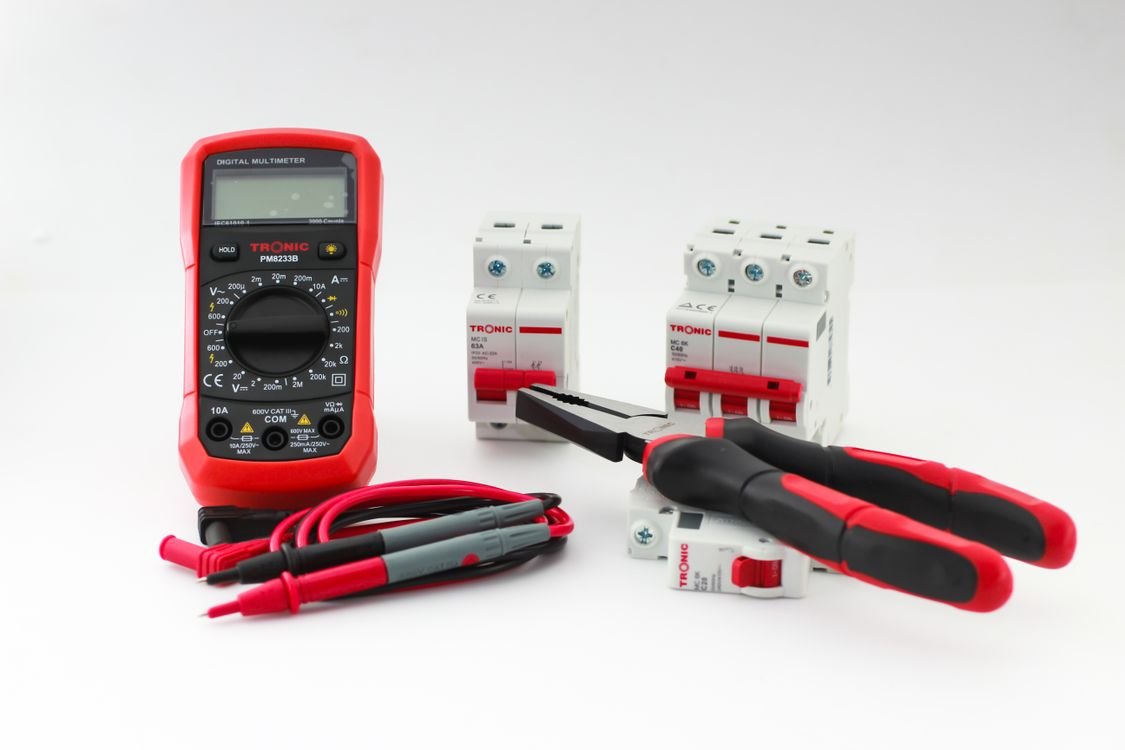
Safety first: the rules before you touch anything
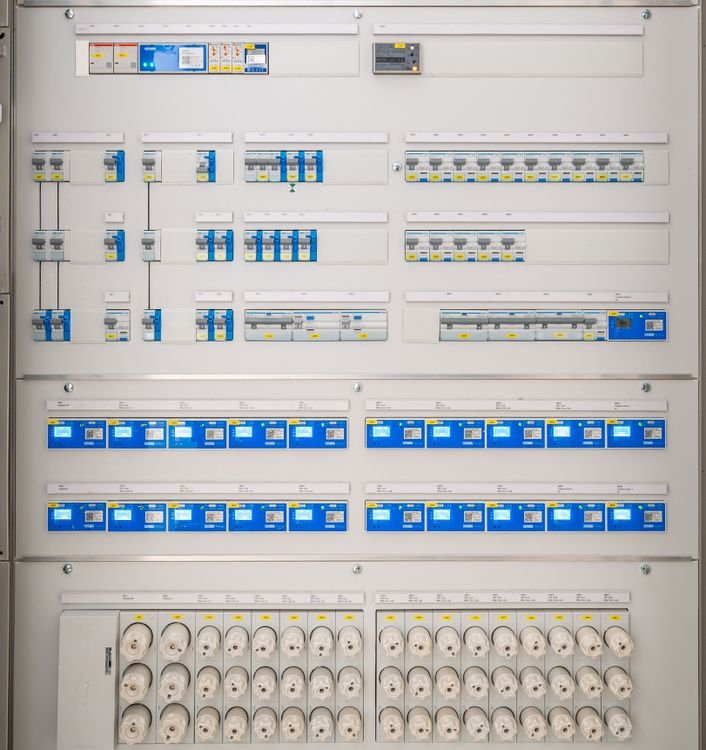
You may flip breakers and use a multimeter on an outlet, but you should not remove the panel cover or touch anything inside the panel. The panel contains live bus bars that stay energized even with the main breaker off, and contact with them can be fatal. Wear dry shoes, keep the area dry, stand on a dry surface, and use a flashlight instead of a candle if the power is out. If anything looks damaged, smells like burning, or sounds wrong, stop and call an electrician.
Test 1: The simple reset test
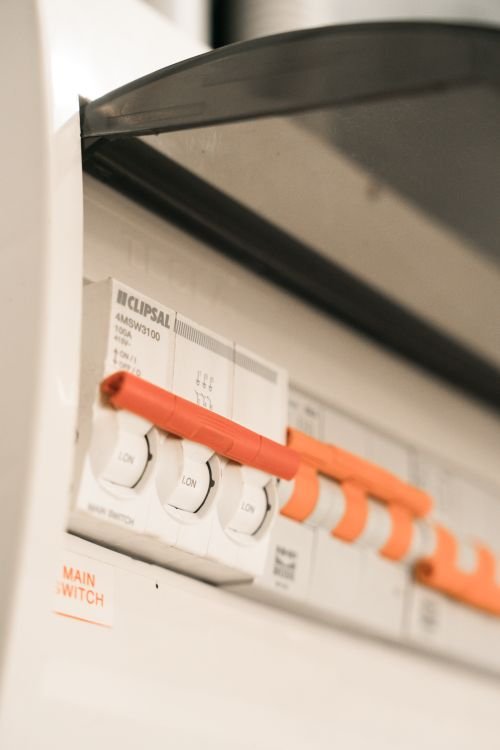
Find the tripped breaker; it usually sits between ON and OFF. Push it firmly to OFF, then to ON. If it stays on and power returns, the breaker did its job against a temporary overload. Unplug a few things on that circuit to reduce the load. If the breaker trips again right away, or trips repeatedly under normal use, do not keep resetting it. A breaker that will not stay on is protecting you from a fault on the circuit, and forcing it on defeats that protection.
Test 2: Isolate the cause
To find out whether the problem is an appliance or the circuit itself, unplug everything on the dead circuit, reset the breaker, and plug items back in one at a time. If one particular appliance trips the breaker every time, the appliance is faulty and should be repaired or replaced. If the breaker trips with nothing plugged in, the problem is in the wiring, an outlet, or the breaker itself, and you need an electrician to track it down.
Test 3: Check with a multimeter at the outlet
If the breaker stays on but an outlet has no power, you can check voltage at the outlet with a multimeter set to AC volts. A standard outlet should read around 120 volts. No reading with the breaker on suggests a broken connection or a failed breaker somewhere upstream. This test tells you about the outlet; it does not test the breaker directly, and you should not probe inside the panel to go further.
Test 4: Use the TEST button on AFCI and GFCI breakers
Many modern breakers have a TEST button on the breaker itself. Pressing it should trip the breaker immediately; if it does not trip, the breaker’s protection has failed and the breaker should be replaced. Reset the breaker after the test. This built-in test is the one breaker test manufacturers actually intend homeowners to perform, and it is worth doing every few months.
Signs the breaker itself is bad
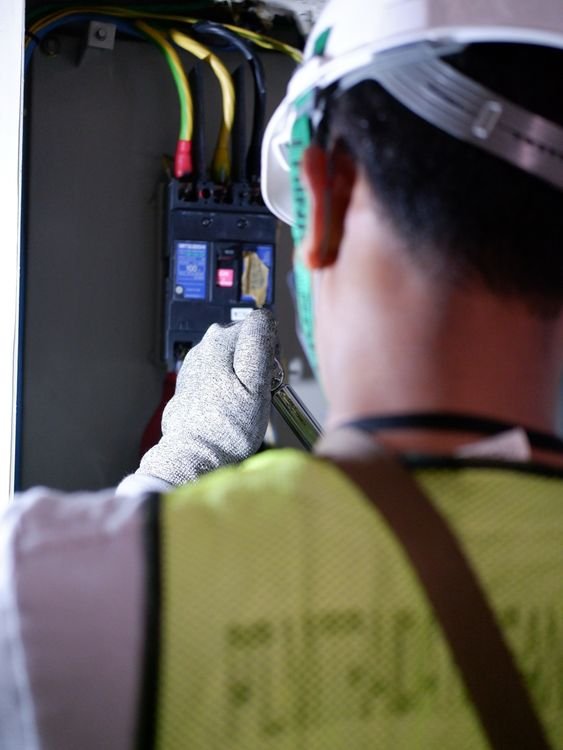
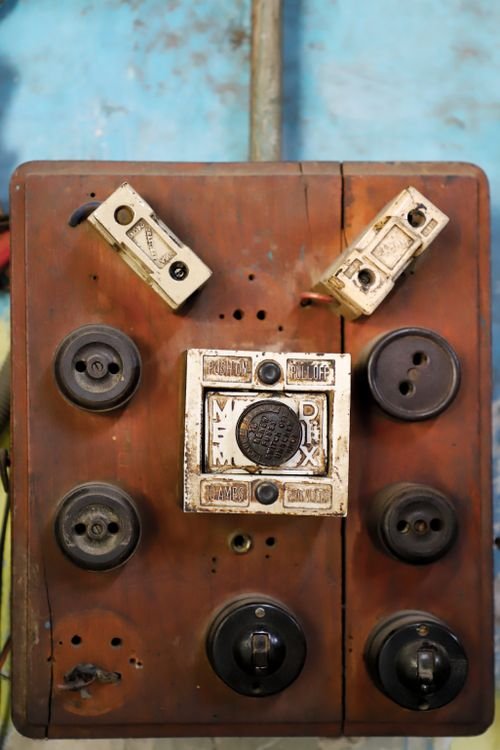
Breakers do wear out. Warning signs include a breaker that trips for no apparent reason, a breaker that feels hot to the touch, visible damage or a burning smell at the panel, a breaker that will not stay in the ON position, or lights that flicker on that circuit. Age matters too; breakers that are decades old are more likely to fail, and some discontinued brands have known reliability problems. Replacing a breaker is a job for an electrician, because it requires working inside the panel around live parts.
How often should you test your breakers?
A quick routine keeps your panel reliable. Flip each breaker off and on once a year to keep the mechanism from seizing, and press the TEST button on AFCI and GFCI breakers every few months. While you are there, look at the panel for rust, scorch marks, or buzzing. This five-minute routine catches problems early, long before they become emergencies.
What never to do
Never replace a breaker with a higher-amperage one to stop tripping; the breaker size must match the wire, and oversizing it creates a fire hazard. Never bypass a breaker or jam it in the ON position. Never open the panel cover to poke at connections. And never ignore a breaker that trips repeatedly; it is doing its job, and the underlying fault needs to be found and fixed.
When to call an electrician
Call a professional if the breaker trips with nothing plugged in, if you see or smell burning at the panel, if multiple breakers are acting up, if a breaker is hot, or if you suspect the breaker itself has failed. Breaker replacement, panel work, and fault-finding on a dead circuit all belong to a licensed electrician with the right tools and training.
Basic breaker checks can tell you a lot, but the panel’s interior is not a DIY zone. Learn more about our circuit breaker repair service in Kyle, TX. Call KyleElec at (512) 555-0199 or email kyleelecc@gmail.com for fast, safe breaker diagnosis and repair.