Category: Uncategorized

  • Generator Repair: Common Faults and Maintenance Tips

    Generator Repair: Common Faults and Maintenance Tips

    A generator is only as good as its last maintenance visit. Whether you rely on a portable generator during Texas storm season or a standby unit wired into your home, the machine that saves the day during an outage is the one that starts on the first try. Here are the most common generator faults, the maintenance that prevents them, and when repair beats replacement for Kyle homeowners.

    Technicians repairing a power generator
    Photo: igovar igovar / Pexels

    Fault 1: The generator will not start

    A dead generator is the most common repair call, and the cause is usually simple: a dead or corroded battery. Standby generator batteries last two to three years, and many sit neglected until the day they are needed. Other starting failures come from stale fuel, clogged fuel filters, empty propane or natural gas supply issues, or a failed starter. Regular exercise cycles and annual battery replacement prevent most of these failures.

    Fault 2: The generator starts but will not carry a load

    When a generator runs but trips its own breaker or stalls under load, the causes include an undersized generator for the loads connected, dirty air filters choking the engine, low fuel pressure, or a failing voltage regulator. This is also the symptom of a transfer switch problem: the generator is fine, but power is not reaching the house. A technician can load-bank test the unit to find the weak link.

    Fault 3: The generator runs rough or surges

    Surging, hunting, or rough running usually traces back to fuel delivery: stale gasoline, water in the fuel, clogged carburetor jets, or a dirty air filter. On natural gas and propane units, fuel regulator problems cause the same symptoms. Rough running that is ignored strains the engine and the alternator, so it deserves prompt attention.

    Fault 4: Warning lights and fault codes

    Modern standby generators self-diagnose and display fault codes for issues like low oil, overcrank, overspeed, low coolant, or sensor failures. Do not just clear the code and hope it goes away. A low-oil shutdown means the oil level dropped for a reason, possibly a leak. Record the fault code before calling for service; it helps the technician arrive with the right parts.

    Fault 5: The transfer switch is not transferring

    Sometimes the generator runs perfectly, yet the house stays dark. The automatic transfer switch is the device that senses a utility outage, tells the generator to start, and moves your home’s power over to it. Worn contacts, failed control boards, and loose wiring in the switch are common faults. Because the transfer switch carries your entire home’s load, its repairs belong to a qualified electrician. If your generator runs during an outage but your lights never come on, the transfer switch is the first suspect.

    Maintenance tips that prevent most generator repairs

    Generators are simple machines, and routine care keeps them reliable. Change the oil and filter on the manufacturer’s schedule, or at least once a year. Replace air and fuel filters regularly. For gasoline portables, use fuel stabilizer and run the carburetor dry before storage, or the carburetor will gum up within months. Keep the area around a standby unit clear of leaves, mulch, and debris so cooling airflow is unobstructed. Let the unit run its weekly exercise cycle and investigate promptly if it ever skips one. Finally, have the whole system, including the transfer switch, inspected once a year before storm season.

    Safety note: carbon monoxide and backfeeding

    Two generator mistakes kill people every storm season. First, never run a portable generator in a garage, carport, or near windows or doors. Carbon monoxide is odorless and can fill a home in minutes. Second, never plug a generator into a wall outlet to backfeed your home. This energizes utility lines and can electrocute line workers, and it is illegal. Use a proper transfer switch installed by an electrician, which isolates your home from the grid before generator power flows.

    Repair or replace?

    Batteries, filters, belts, starters, and regulators are routine repairs worth doing on any unit. When repair costs approach half the price of a new generator, or when the unit is more than fifteen years old with engine wear, replacement is usually the smarter investment. A technician’s inspection can tell you which side of that line your generator is on.

    A generator that gets annual service starts when you need it and lasts for years. See our generator repair and service in Kyle, TX. Call KyleElec at (512) 555-0199 or email kyleelecc@gmail.com and we will keep your backup power ready for the next outage.
  • Common Electrical Repairs in the Home

    Common Electrical Repairs in the Home

    Every home develops electrical quirks over time: an outlet that only works when you wiggle the plug, a switch that crackles, a breaker that trips every time the microwave runs. Most homeowners will face several of these common electrical repairs during the years they live in a house. Knowing what they are, what causes them, and which ones need a professional helps you keep your Kyle home safe and powered.

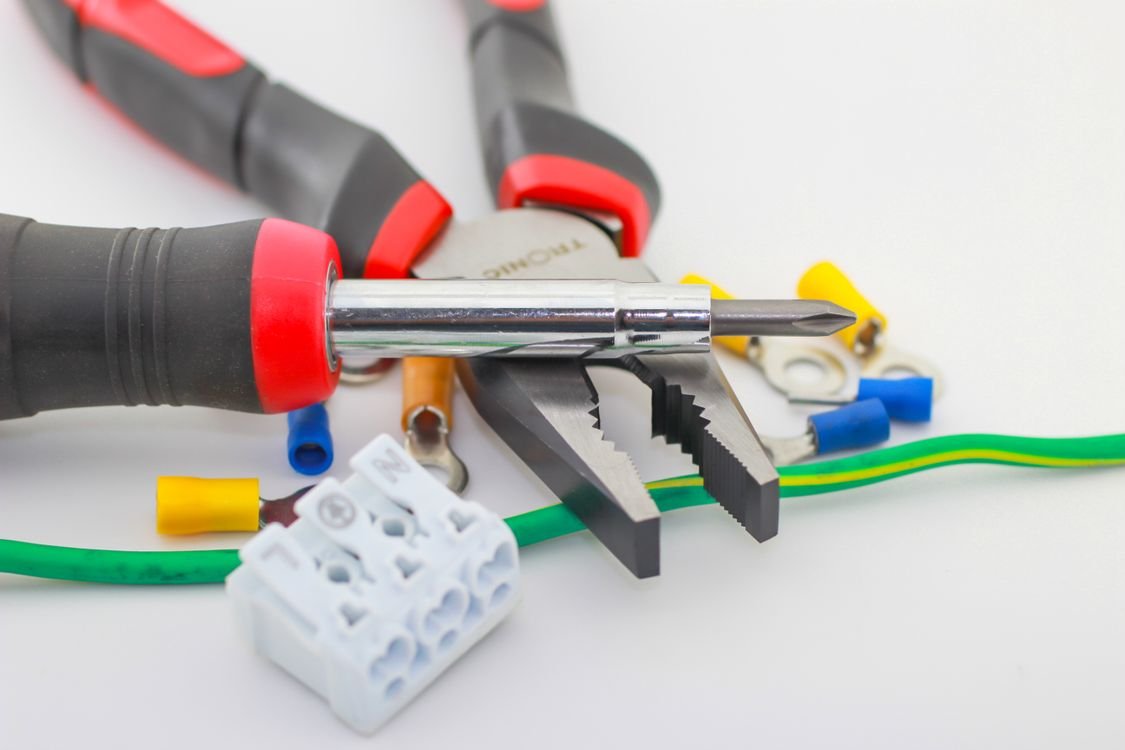
    Hand tools for electrical work
    Photo: ERIC MUFASA / Pexels

    Dead or worn-out outlets

    The most common home electrical repair is also one of the simplest. Outlets wear out from years of plugging and unplugging, and the internal contacts lose their grip. Loose backstab wire connections behind the outlet are another frequent culprit. A dead outlet is often a tripped GFCI or breaker, but a worn or sparking outlet should be replaced promptly, because arcing at a loose connection is a fire risk.

    Faulty light switches

    Switches that crackle, feel warm, work intermittently, or spark visibly are worn out inside. Like outlets, switches are inexpensive parts, but a failing switch can arc and overheat. Three-way switches that stop working from one location usually have a wiring or switch failure that an electrician can diagnose quickly.

    Breakers that trip repeatedly

    A breaker that trips now and then is doing its job. One that trips constantly points to an overloaded circuit, a short circuit, a ground fault, or a failing breaker. The fix depends on the cause: redistributing loads, repairing damaged wiring, or replacing the breaker. Repeatedly resetting a tripping breaker without finding the cause is never the answer.

    Flickering or dimming lights

    Occasional dimming when a large appliance starts is normal, but persistent flickering deserves attention. Causes range from loose bulbs and failing dimmer switches to loose neutral connections, which are a serious hazard. If flickering affects multiple rooms or the whole house, the problem may be at the panel or the service entrance, and it needs professional diagnosis.

    Ceiling fan and light fixture problems

    Wobbling ceiling fans, humming fixtures, and lights that burn out far too fast are common complaints. Causes include improper mounting, failing capacitors, incompatible dimmers with LED bulbs, and loose connections in the fixture box. Fixture work involves overhead wiring and proper support ratings, so it is worth having done right the first time.

    Smoke detector chirps and failures

    That 3 a.m. chirp is one of the most annoying sounds in a home, and it usually means a dying backup battery in a hardwired smoke detector. But detectors that chirp with fresh batteries, go off for no reason, or are more than ten years old need replacement. Because hardwired detectors interconnect so they all sound together, a single failing unit can trigger the whole house. Keeping detectors current is a small repair with life-safety importance.

    GFCI outlets that will not reset

    A GFCI that trips and will not reset may be protecting you from a genuine ground fault, or the GFCI device itself may have failed. GFCIs wear out over time, especially outdoors where moisture and temperature swings take a toll. Because these devices are critical shock protection in kitchens, bathrooms, garages, and outdoor areas, a GFCI that will not reset should be addressed promptly rather than ignored.

    Safety note: know which repairs are DIY and which are not

    Resetting a tripped breaker, pressing a GFCI reset button, changing a light bulb, and replacing a smoke detector battery are safe homeowner tasks. Anything involving opening outlet or switch boxes, working in the panel, or diagnosing wiring faults belongs to a licensed electrician. Stop and call a professional if you see burn marks, smell burning, feel heat, hear buzzing, or if a breaker will not stay on. Electricity gives no second chances with mistakes.

    When small repairs point to bigger problems

    Sometimes a pattern of small repairs signals a larger issue. Outlets failing throughout the house can mean aging wiring that needs attention. Breakers tripping in multiple rooms can mean an undersized panel or a loose service neutral. Lights dimming across the whole house can indicate a utility-side problem or a failing main breaker. An electrician can connect the dots between symptoms and find the root cause, which is almost always cheaper than fixing symptoms one by one.

    Most home electrical repairs are quick jobs for a professional with the right tools and parts on the truck. See our electrical services in Kyle, TX. Call KyleElec at (512) 555-0199 or email kyleelecc@gmail.com and we will take care of your home’s electrical repairs safely and correctly.

  • Breaker Sizes Explained: What Is a 40-Amp Circuit Breaker For?

    Breaker Sizes Explained: What Is a 40-Amp Circuit Breaker For?

    Open your breaker panel and you will see a row of switches stamped with numbers: 15, 20, 30, 40, 50. Those numbers are the breaker’s amperage rating, and each one is matched to a specific wire size and job. Using the wrong size breaker is one of the most dangerous electrical mistakes a homeowner can make. Here is what breaker sizes mean, what a 40-amp breaker is for, and why the size must always match the wire.

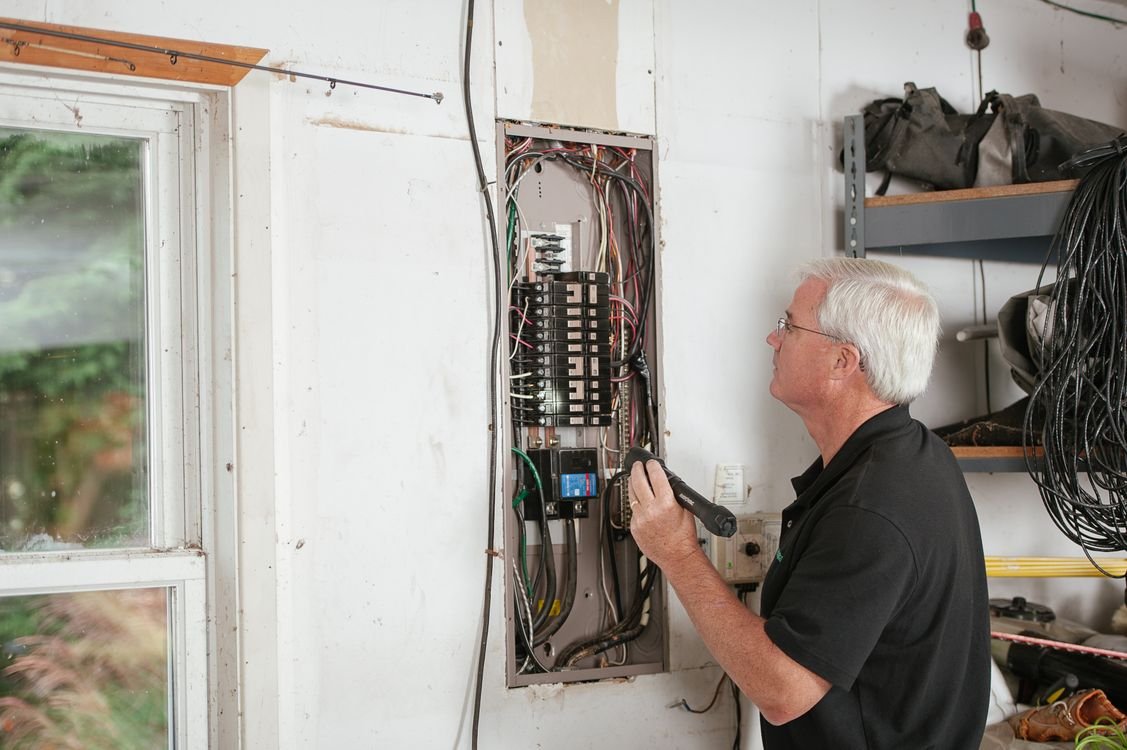
    Electrician working on a circuit breaker box
    Photo: Annas Zakaria / Pexels

    What a breaker size actually means

    A breaker’s amperage rating is the maximum current it will allow before tripping. A 15-amp breaker trips when the circuit draws more than about 15 amps. The rating is chosen to protect the wire, not the appliance. Wire has a maximum safe current too, and the breaker must trip before the wire overheats. That is why breaker size and wire size are always paired by code, and why the pairing is not optional.

    Common breaker sizes and what they serve

    Here is the standard lineup you will find in a Kyle home:

    • 15-amp breakers protect general lighting and outlet circuits wired with 14-gauge wire. This is the most common breaker in a home.
    • 20-amp breakers protect kitchen, bathroom, garage, and laundry circuits wired with 12-gauge wire, where heavier loads are expected.
    • 30-amp breakers serve electric dryers, water heaters, and some air conditioners, wired with 10-gauge wire.
    • 40-amp breakers serve electric ranges, cooktops, larger air conditioning units, and some EV chargers, wired with 8-gauge wire.
    • 50-amp breakers and above serve subpanels, large EV chargers, electric furnaces, and whole-home equipment, with correspondingly heavy wire.

    What is a 40-amp breaker for?

    A 40-amp breaker is a dedicated-circuit breaker for a single large appliance. The most common 40-amp loads in a home are electric ranges and ovens, which draw 30 to 40 amps at full heat, and central air conditioning condenser units in the 3 to 5 ton range common in Texas homes. Some Level 2 EV chargers are also installed on 40-amp circuits, and electric tankless water heaters can require them as well. A 40-amp circuit is always a dedicated home run from the panel to the appliance, never shared with general outlets or lights, because a shared circuit could not safely carry the load.

    Why the breaker must match the wire

    This is the critical safety rule. A 40-amp breaker must be paired with wire rated for 40 amps, typically 8-gauge copper. If someone installs a 40-amp breaker on thinner 14-gauge wire, the wire can overheat and start a fire inside the wall long before the breaker trips. The breaker is the wire’s bodyguard; an oversized breaker is a bodyguard that falls asleep on the job. Undersizing is a problem too: a 15-amp breaker on a circuit wired for 40 amps will trip constantly under normal appliance loads. The breaker, the wire, and the load must all be sized together as a system.

    What happens when a breaker is the wrong size?

    An oversized breaker is the dangerous direction. The wire overheats, insulation melts, and a fire can start inside a wall with no warning and no tripped breaker to alert you. This is one of the leading causes of residential electrical fires, and it often traces back to a homeowner or handyman swapping in a bigger breaker to stop nuisance tripping. An undersized breaker is merely annoying; it trips under normal use. But nuisance tripping is still a signal worth investigating, because it can mean the circuit is overloaded or the appliance is failing, not that the breaker is too small.

    Single-pole vs. double-pole: why 40-amp breakers look different

    Breakers rated 30 amps and above are usually double-pole breakers that take up two slots in the panel and supply 240 volts. Your 40-amp range breaker is a double-pole breaker feeding both hot legs of your electrical service. Smaller 15 and 20 amp breakers are usually single-pole, supplying 120 volts to lights and outlets. If you are ever unsure what you are looking at, the panel schedule on the inside of the panel door or an electrician can identify each breaker for you.

    Safety note: never change breaker sizes yourself

    Changing a breaker’s amperage changes the protection scheme for the entire circuit. Installing a larger breaker without verifying the wire size, the connections, and the load calculation is a leading cause of electrical fires. Breaker work also means working inside the panel around live parts that stay energized even with the main breaker off. If a breaker keeps tripping, if you are adding a large appliance like an EV charger or a new range, or if you suspect a mismatched breaker, have an electrician evaluate the circuit. The service call costs far less than the alternative.

    Breaker sizes are not arbitrary; they are a carefully matched safety system where every component protects the next. Learn more about our circuit breaker repair service in Kyle, TX. Call KyleElec at (512) 555-0199 or email kyleelecc@gmail.com if you have questions about your panel or a breaker that keeps tripping.

  • Commercial Generator Service and Maintenance in Kyle, TX

    Commercial Generator Service and Maintenance in Kyle, TX

    When the grid goes down, a commercial standby generator is the difference between business as usual and thousands of dollars in lost revenue. Restaurants lose inventory, offices lose productivity, and retail stores lose customers. But a generator only earns its keep if it starts when you need it. Regular commercial generator service and maintenance is what makes that happen.

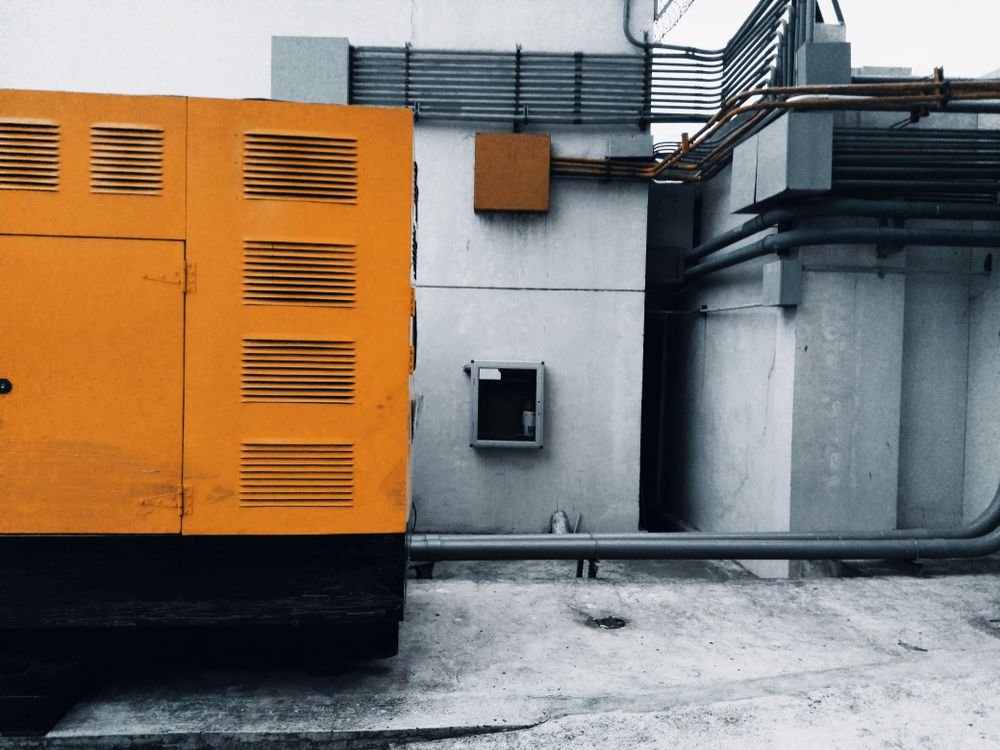
    Industrial generator outdoors
    Photo: ezrah lane / Pexels

    Why commercial generators need scheduled service

    Standby generators sit idle for months, then are expected to start instantly and run for hours or days. That is the hardest duty cycle any engine faces. Oil degrades, batteries weaken, fuel goes stale, and rodents chew wiring, all while the unit sits quietly. Industry data consistently shows that most generator failures during outages trace back to neglected maintenance, not manufacturing defects. A service plan turns your generator from a hope into a certainty.

    What a commercial maintenance visit includes

    A proper service visit is more than an oil change. A technician will change the oil and filters, inspect and test the battery and charger, check coolant and fuel levels and condition, exercise the generator under load, test the automatic transfer switch, inspect wiring and connections, check for leaks and corrosion, verify control panel settings and alarms, and run the unit through a full simulated outage. You should receive a written report of everything checked and anything that needs attention, so you always know the true condition of your backup power.

    How often should a commercial generator be serviced?

    Most manufacturers and industry guidelines call for professional service at least twice a year for standby units, plus weekly or biweekly automatic exercise cycles. Generators in critical facilities like medical offices or data-dependent businesses may need quarterly service. Texas heat and storm seasons add stress, so schedule a thorough service before hurricane season and another after it. Your service technician can set the right interval for your unit and your risk tolerance.

    The automatic transfer switch: the part everyone forgets

    The generator is only half the system. The automatic transfer switch (ATS) senses the outage, disconnects you from the grid, and starts the generator, then reverses the process when power returns. A failed transfer switch means the generator runs but your building stays dark. Every service visit should include transfer switch testing, because it is a common and overlooked failure point that only shows up when you need it most.

    Fuel matters more than you think

    Diesel fuel degrades within months without treatment, growing algae and clogging filters. Natural gas units avoid fuel storage issues but depend on gas pressure during widespread outages. Propane stores well but needs the tank sized for your expected runtime. Your service plan should address fuel condition and supply for your specific setup, so the generator does not starve mid-outage. Fuel polishing and tank inspections are part of a complete commercial service program.

    Choosing a service provider for your generator

    Look for a provider with commercial generator experience, not just residential work. Ask whether they service your brand and model, whether they stock common parts, and what their emergency response time is for service plan customers. A provider who also handles your building’s other electrical needs can spot interactions between the generator, the transfer switch, and your panel that a generator-only company might miss. Get the service schedule, the scope of each visit, and the emergency response terms in writing.

    Safety note: generators and carbon monoxide

    Generator exhaust contains carbon monoxide, an odorless killer. Never run a portable generator indoors, in a garage, or near open windows and vents, and make sure standby units are installed with proper clearances and exhaust routing. Keep working CO detectors in your building. Service visits should verify exhaust systems and detector operation, because this is the safety item that matters most.

    What a service plan costs versus what failure costs

    A commercial generator service plan is a predictable operating expense. Compare it to the cost of a single outage: spoiled inventory, lost sales, idle employees, missed deadlines, and customers who go elsewhere. For most Kyle businesses, one avoided disaster pays for years of maintenance. Ask for a plan priced by unit size and service frequency, with priority emergency response included.

    Do not discover a dead generator during the next outage. Learn more about our generator repair and service in Kyle, TX. Call KyleElec at (512) 555-0199 or email kyleelecc@gmail.com to set up commercial generator maintenance for your business.

  • How to Test a Circuit Breaker Safely

    How to Test a Circuit Breaker Safely

    Is your breaker bad, or is something else going on? A circuit breaker that trips, feels hot, or simply does nothing when you flip it raises an obvious question. You can run some basic checks yourself to narrow down the problem, but breaker testing has hard safety limits. Here is how to test a circuit breaker safely, and how to tell when the answer is to call an electrician.

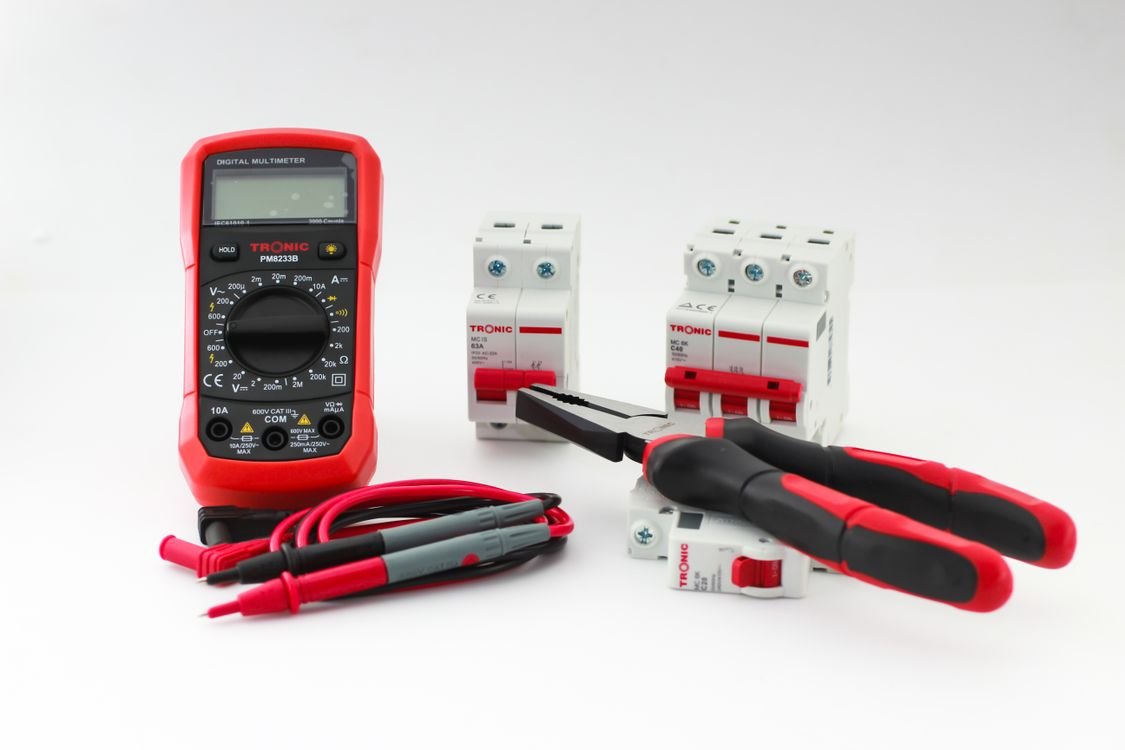
    Digital multimeter with electrical tools
    Photo: ERIC MUFASA / Pexels

    Safety first: the rules before you touch anything

    You may flip breakers and use a multimeter on an outlet, but you should not remove the panel cover or touch anything inside the panel. The panel contains live bus bars that stay energized even with the main breaker off, and contact with them can be fatal. Wear dry shoes, keep the area dry, stand on a dry surface, and use a flashlight instead of a candle if the power is out. If anything looks damaged, smells like burning, or sounds wrong, stop and call an electrician.

    Test 1: The simple reset test

    Find the tripped breaker; it usually sits between ON and OFF. Push it firmly to OFF, then to ON. If it stays on and power returns, the breaker did its job against a temporary overload. Unplug a few things on that circuit to reduce the load. If the breaker trips again right away, or trips repeatedly under normal use, do not keep resetting it. A breaker that will not stay on is protecting you from a fault on the circuit, and forcing it on defeats that protection.

    Test 2: Isolate the cause

    To find out whether the problem is an appliance or the circuit itself, unplug everything on the dead circuit, reset the breaker, and plug items back in one at a time. If one particular appliance trips the breaker every time, the appliance is faulty and should be repaired or replaced. If the breaker trips with nothing plugged in, the problem is in the wiring, an outlet, or the breaker itself, and you need an electrician to track it down.

    Test 3: Check with a multimeter at the outlet

    If the breaker stays on but an outlet has no power, you can check voltage at the outlet with a multimeter set to AC volts. A standard outlet should read around 120 volts. No reading with the breaker on suggests a broken connection or a failed breaker somewhere upstream. This test tells you about the outlet; it does not test the breaker directly, and you should not probe inside the panel to go further.

    Test 4: Use the TEST button on AFCI and GFCI breakers

    Many modern breakers have a TEST button on the breaker itself. Pressing it should trip the breaker immediately; if it does not trip, the breaker’s protection has failed and the breaker should be replaced. Reset the breaker after the test. This built-in test is the one breaker test manufacturers actually intend homeowners to perform, and it is worth doing every few months.

    Signs the breaker itself is bad

    Breakers do wear out. Warning signs include a breaker that trips for no apparent reason, a breaker that feels hot to the touch, visible damage or a burning smell at the panel, a breaker that will not stay in the ON position, or lights that flicker on that circuit. Age matters too; breakers that are decades old are more likely to fail, and some discontinued brands have known reliability problems. Replacing a breaker is a job for an electrician, because it requires working inside the panel around live parts.

    How often should you test your breakers?

    A quick routine keeps your panel reliable. Flip each breaker off and on once a year to keep the mechanism from seizing, and press the TEST button on AFCI and GFCI breakers every few months. While you are there, look at the panel for rust, scorch marks, or buzzing. This five-minute routine catches problems early, long before they become emergencies.

    What never to do

    Never replace a breaker with a higher-amperage one to stop tripping; the breaker size must match the wire, and oversizing it creates a fire hazard. Never bypass a breaker or jam it in the ON position. Never open the panel cover to poke at connections. And never ignore a breaker that trips repeatedly; it is doing its job, and the underlying fault needs to be found and fixed.

    When to call an electrician

    Call a professional if the breaker trips with nothing plugged in, if you see or smell burning at the panel, if multiple breakers are acting up, if a breaker is hot, or if you suspect the breaker itself has failed. Breaker replacement, panel work, and fault-finding on a dead circuit all belong to a licensed electrician with the right tools and training.

    Basic breaker checks can tell you a lot, but the panel’s interior is not a DIY zone. Learn more about our circuit breaker repair service in Kyle, TX. Call KyleElec at (512) 555-0199 or email kyleelecc@gmail.com for fast, safe breaker diagnosis and repair.

  • Hiring a Commercial Electrical Contractor: Questions to Ask

    Hiring a Commercial Electrical Contractor: Questions to Ask

    Choosing an electrical contractor for your business is a bigger decision than hiring one for your home. Commercial work involves larger systems, stricter codes, tighter schedules, and real money lost if the power goes down. The right questions, asked before you sign anything, separate dependable contractors from risky ones. Here is what to ask.

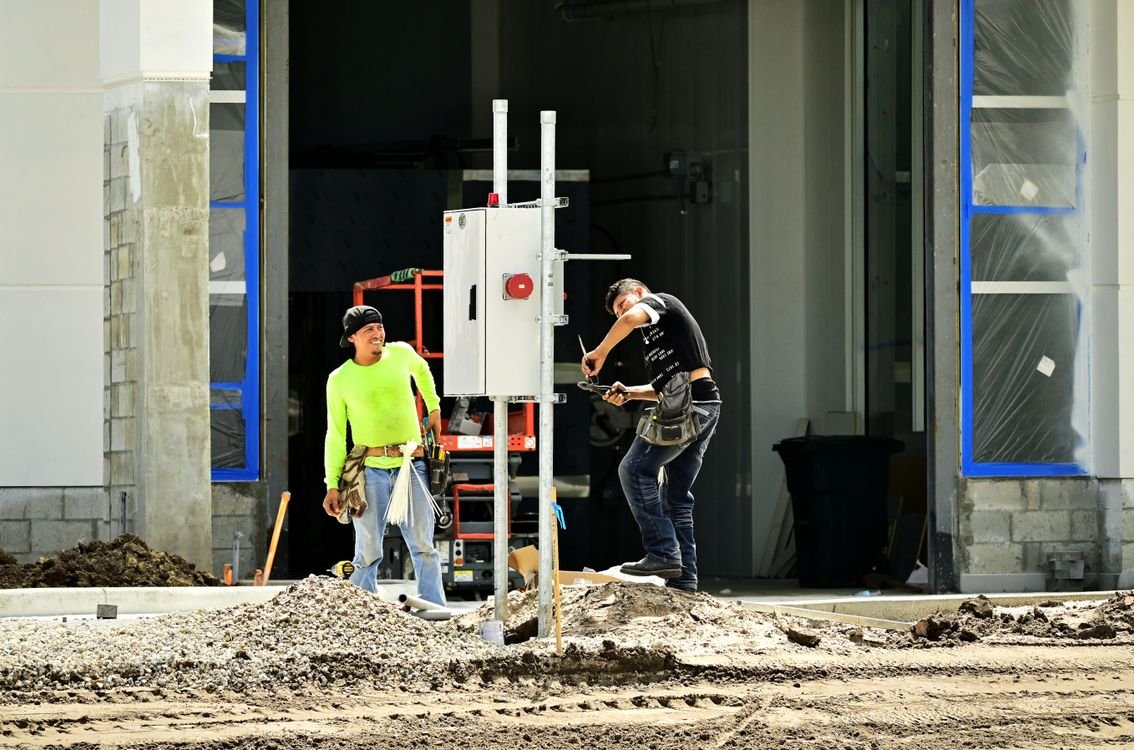
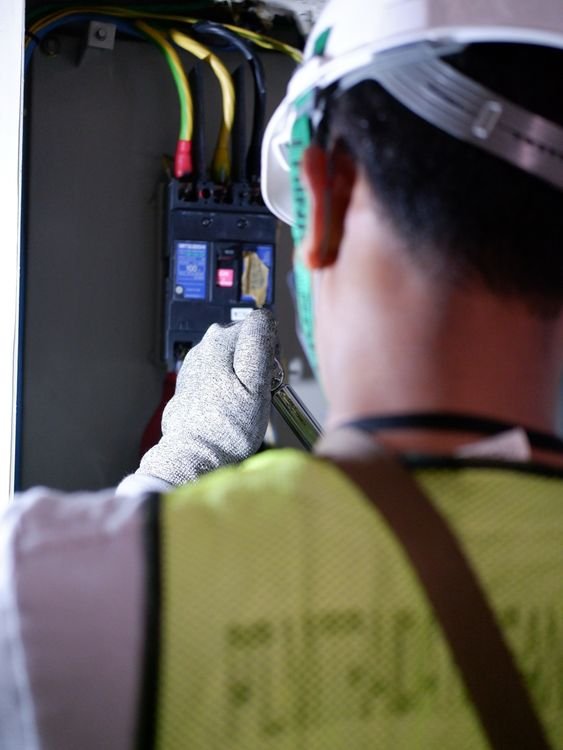
    Workers installing an electrical panel at a construction site
    Photo: Nelson Axigoth / Pexels

    Are you licensed for commercial electrical work in Texas?

    In Texas, electricians are licensed by the Texas Department of Licensing and Regulation (TDLR). Ask for the license number and verify it on the TDLR website. Commercial work often requires a master electrician’s oversight, so ask who will supervise the job and what their credentials are. A contractor who hesitates to share licensing details is one to avoid.

    Can you provide proof of insurance?

    Ask for certificates of general liability insurance and workers’ compensation coverage, and confirm they are current. If an uninsured worker is injured on your property, or the contractor’s work damages your building, you could face the fallout. A legitimate commercial contractor carries proper coverage and provides proof without being asked twice. This is one of the simplest ways to filter out fly-by-night operators.

    What commercial experience do you have with businesses like mine?

    A restaurant’s electrical needs are very different from a warehouse’s or a medical office’s. Ask for examples of similar projects the contractor has completed: similar building types, similar scopes of work, similar timelines. References from other business owners in the Kyle area carry real weight, so ask for them and actually call them.

    How will you handle permits and inspections?

    Most commercial electrical work requires permits and inspections from the local authority. A professional contractor handles this process as part of the job: pulling permits, scheduling inspections, and making sure the work passes. If a contractor suggests skipping permits to save time or money, walk away. Unpermitted work can void insurance and create liability for your business.

    What is your plan for minimizing downtime?

    For a business, every hour without power can mean lost revenue. Ask how the contractor will phase the work to keep you operating: Can they work after hours or on weekends? Will they set up temporary power? How will they coordinate with your staff? A contractor experienced with commercial clients will have clear answers, not vague promises.

    How will we communicate during the project?

    Commercial projects run on communication. Ask who your day-to-day point of contact will be, how progress updates are delivered, and how change orders are documented and approved. Surprises are expensive, so a contractor with a clear communication plan will keep small issues from becoming big ones. Get the key terms, including the schedule and payment milestones, in a written contract before work begins.

    How do you price the work, and what is included?

    Ask for a detailed written quote that breaks down labor, materials, permits, and any subcontracted work. Find out how change orders are handled, because commercial projects often evolve once walls are opened. Clear pricing terms up front prevent disputes later. Be wary of quotes that are dramatically lower than everyone else’s; corners are being cut somewhere.

    What safety practices do you follow on the job site?

    Commercial job sites have real hazards, and your business could be liable if someone is hurt. Ask about the contractor’s safety training, lockout and tagout procedures, and how they protect your employees and customers during the work. Professional contractors take safety seriously and can explain their practices without hesitation.

    Do you offer maintenance and emergency service?

    The relationship should not end when the project does. Ask whether the contractor offers preventive maintenance plans and 24/7 emergency service for commercial clients. A contractor who will answer the phone at 2 a.m. when your power fails is worth more than one who disappears after the final invoice.

    What warranty do you provide?

    Get the warranty in writing: what is covered, for how long, and what voids it. Quality commercial contractors stand behind their workmanship for at least a year, and installed equipment carries manufacturer warranties on top of that. A contractor who offers no warranty is telling you something.

    Hiring the right commercial electrical contractor protects your business, your employees, and your bottom line. Take the time to ask these questions and compare answers. See our electrical services for Kyle, TX businesses. Call KyleElec at (512) 555-0199 or email kyleelecc@gmail.com to discuss your commercial project.

  • How to Put Out an Electrical Fire: What to Do and What Never to Do

    How to Put Out an Electrical Fire: What to Do and What Never to Do

    An electrical fire is different from every other kind of fire, and treating it the same way can make it worse. The wrong response, especially water, can spread the fire or cause serious injury. Every Kyle homeowner should know exactly what to do, and what never to do, before an emergency happens. Seconds matter, so read this now, not when you smell smoke.

    Red fire extinguishers lined up in a row
    Photo: Tibor Szabo / Pexels

    First rule: call 911 for any fire

    If you see flames, smell burning that you cannot identify, or find scorching around an outlet, panel, or appliance, call 911 first, before you do anything else. Fire doubles in size quickly, and firefighters would rather arrive to find a small fire you handled than a large fire you could not. Get everyone out of the house, stay out, and call from a safe place outside.

    What to do: cut the power if you safely can

    If the fire is small, you know its source, and you can reach your breaker panel without passing through smoke or flames, turn off the breaker feeding the circuit, or the main breaker. Removing the power stops the electrical energy feeding the fire. Only do this if the path to the panel is clear and safe. Never go back into a smoky room or reach through flames to flip a breaker.

    What to do: use the right extinguisher

    For a small electrical fire that is still contained, use a Class C or multipurpose ABC fire extinguisher. Aim at the base of the flames, sweep side to side, and keep your escape route behind you. A small kitchen fire extinguisher rated ABC is a good choice for every home. If the extinguisher does not put the fire out in seconds, stop, get out, and let firefighters handle it.

    What never to do: use water

    Never pour water on an electrical fire. Water conducts electricity, so it can shock you and spread the current, and it will not smother an electrical fire the way it smothers a wood fire. This includes wet towels and buckets of water. Until the power is confirmed off, treat water near an electrical fire as dangerous.

    What never to do: touch the burning appliance or wiring

    Do not grab a smoking appliance, pull a burning cord, or touch exposed wiring. Energized metal can shock you even if the flames look small. Unplug an appliance only if you can do it safely without touching anything hot, damaged, or sparking, and without reaching through flames.

    What never to do: stay inside a growing fire

    Smoke kills more people than flames do. If the fire spreads beyond its starting point, if smoke fills the room, or if you feel heat on a door, get out immediately and close doors behind you to slow the spread. Do not stop for belongings, and do not re-enter the house for any reason. Your life is worth more than anything inside.

    After the fire: what comes next

    Even a small electrical fire means something failed: a loose connection, an overloaded circuit, a damaged appliance cord, or a failing breaker. Do not simply reset the breaker and carry on. Have an electrician inspect the circuit before it is used again. The fire department may also require an electrical inspection before power is restored to the affected area. An electrician can find the root cause, repair the damage, and check whether the rest of the circuit is safe.

    Preventing electrical fires in the first place

    Most electrical fires are preventable. Do not overload outlets or power strips, replace damaged cords instead of taping them, keep space heaters away from anything flammable and never leave them running unattended, and pay attention to warning signs like flickering lights, warm outlets, buzzing sounds, and breakers that trip repeatedly. These are the early warnings that appear before a fire starts.

    Know the plan before you need it: working smoke alarms, an ABC fire extinguisher you know how to use, and a family escape plan. And if you notice any of the warning signs above, do not wait. Read our guide to flickering lights and electrical safety, then call KyleElec at (512) 555-0199 or email kyleelecc@gmail.com. We are available 24/7 for electrical emergencies in Kyle, TX.

  • Outlet Not Working? Troubleshooting Guide for Kyle Homeowners

    Outlet Not Working? Troubleshooting Guide for Kyle Homeowners

    You plug in a phone charger and nothing happens. Or half the outlets in a room are dead while the rest work fine. A dead outlet is one of the most common electrical complaints we hear from Kyle homeowners, and the good news is that the cause is often something simple. This guide walks you through safe troubleshooting steps in order, and tells you exactly where to stop and call an electrician.

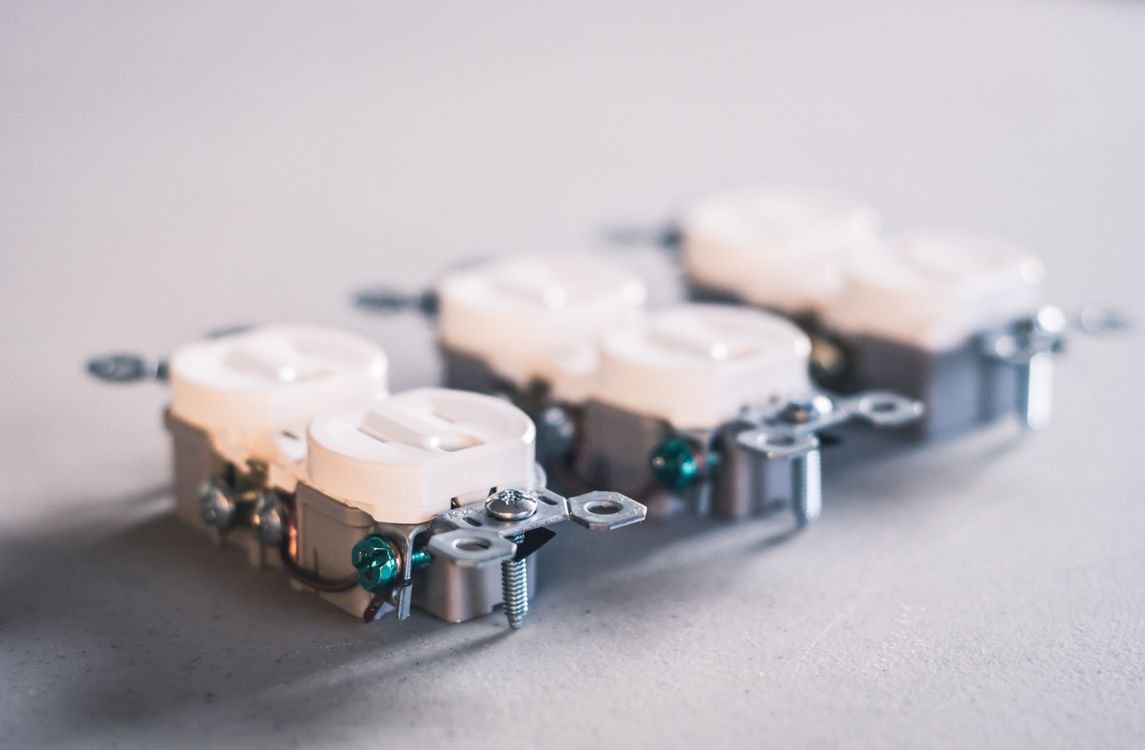
    Close-up of US-style duplex electrical outlets
    Photo: Steve A Johnson / Pexels

    Step 1: Test the device and the outlet

    First, rule out the obvious. Plug a different device, like a lamp you know works, into the dead outlet. Then plug the original device into a different outlet. This tells you whether the problem is the device or the outlet. You would be surprised how often a dead charger or a tripped power strip is the real culprit.

    Step 2: Check for a tripped GFCI outlet

    This is the most common cause of a dead outlet. GFCI outlets with TEST and RESET buttons protect bathrooms, kitchens, garages, and outdoor areas, and one GFCI can protect several standard outlets downstream from it. A tripped GFCI in a bathroom can kill power to outlets in another room entirely. Walk through your kitchen, bathrooms, garage, and outdoor outlets, and press the RESET button on any GFCI you find. If the dead outlet springs back to life, you found it.

    Step 3: Check the breaker panel

    If no GFCI is tripped, head to your breaker panel. Look for a breaker that is in the tripped position, often sitting between ON and OFF. Push it firmly to OFF, then back to ON. If power returns, the circuit was simply overloaded. If the breaker trips again immediately or within a short time, leave it off and call an electrician; something on the circuit is shorting or overloading it.

    Step 4: Check whether a switch controls the outlet

    In many Kyle homes, especially bedrooms and living rooms, a wall switch controls one half of a duplex outlet for a floor lamp. If only one outlet seems dead, flip nearby switches to see if power returns. This is a design feature, not a fault.

    Step 5: Look for a loose or damaged outlet

    If the outlet works only when you wiggle the plug, the outlet’s internal contacts are worn out, or a wire connection behind it is loose. A loose outlet is not just an annoyance; arcing at a loose connection generates heat and is a fire risk. Do not keep using it. Replacing a worn outlet is a quick job for an electrician.

    Safety note: where to stop

    Stop your troubleshooting and call a professional if you see or smell any of the following: burn marks or melted plastic around the outlet, a burning odor, buzzing or crackling sounds, an outlet that is hot to the touch, or a breaker that will not stay on. Do not remove the outlet cover or touch the wiring yourself. These are signs of a fault inside the wall that needs professional repair.

    Why outlets die in the first place

    Outlets fail for a handful of reasons: worn-out internal contacts after years of use, loose backstab wire connections (a common shortcut that loosens over time), tripped GFCI or AFCI protection, damaged wiring from rodents or nails, and corrosion in outdoor or garage outlets. Knowing the cause matters because the fix is different for each, and an electrician can diagnose it quickly.

    When a simple fix is not enough

    If several outlets in different rooms are dead, the problem may be a failed breaker, a loose connection at the panel, or damaged wiring feeding a whole circuit. If outlets throughout the house are failing one by one, aging wiring or an overloaded panel may be the root cause. In these cases, a broader electrical evaluation makes more sense than fixing outlets one at a time.

    Most dead outlets turn out to be a tripped GFCI or breaker, and you can check both safely in a few minutes. For anything beyond that, professional help is the safe choice. Learn more about our outlet and switch repair service in Kyle, TX. Call KyleElec at (512) 555-0199 or email kyleelecc@gmail.com and we will get your power back on.

  • Signs You Need an Electrical Panel Upgrade

    Signs You Need an Electrical Panel Upgrade

    Your electrical panel rarely announces its problems loudly. Instead, it drops hints: a breaker that trips at the worst moment, lights that dim when the air conditioner kicks on, or a panel that looks like it belongs in a museum. Learning to read these warning signs helps you plan a panel upgrade on your schedule, not in the middle of an emergency. Here are the signs Kyle homeowners should watch for.

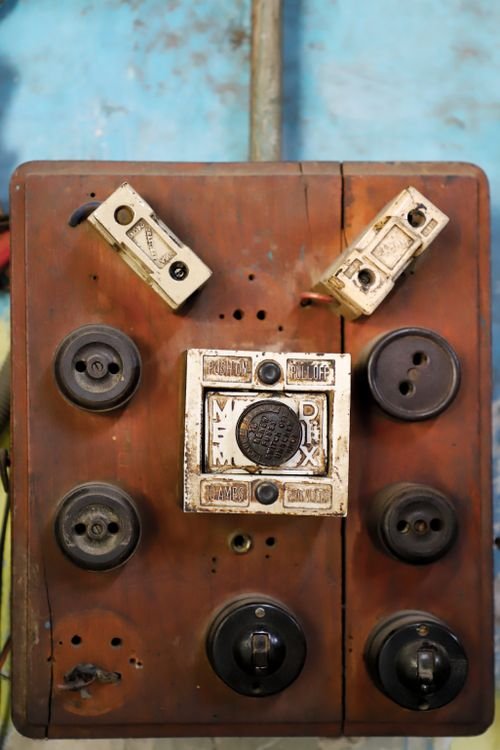
    Old vintage fuse box mounted on a wooden board
    Photo: Sharath G. / Pexels

    1. Breakers trip frequently

    An occasional tripped breaker is normal; it means the breaker did its job. But if breakers trip regularly, especially when you run ordinary combinations of appliances, your panel may be undersized for your household’s demand, or individual circuits may be overloaded. Constant tripping is not just annoying, it is the system telling you it is operating at its limit.

    2. The panel is full with no room to grow

    Open your panel door and look at the breakers. If every slot is taken, or the panel is crammed with tandem and quad breakers to squeeze in more circuits, you have outgrown it. A full panel means you cannot safely add circuits for an EV charger, a home office, a hot tub, or a remodel without an upgrade or subpanel.

    3. You still have a fuse box

    Fuse boxes were standard decades ago, and some older Kyle homes still have them. Fuses work, but they offer none of the convenience or advanced protection of modern breakers, and they are easy to defeat dangerously by installing an oversized fuse. If your home still runs on fuses, an upgrade to a modern breaker panel is one of the best safety investments you can make.

    4. The panel is a known problem brand or very old

    Certain discontinued panel brands have documented histories of breakers failing to trip, which creates a serious fire risk. Panels from the 1960s through the 1980s may also have worn components, outdated designs, or no main breaker. If your panel is more than 30 to 40 years old, have an electrician evaluate it even if it seems to work fine.

    5. Lights dim or flicker when appliances start

    When the air conditioner, dryer, or microwave kicks on and the lights dip, it often means the service or the panel is struggling to deliver enough current. Some dimming is normal on shared circuits, but pronounced or worsening dimming deserves a professional look.

    6. The panel feels warm, buzzes, or smells odd

    Your panel should be silent and room temperature. Warmth, buzzing, crackling, or any burning smell coming from the panel is an urgent warning sign. Turn off what you safely can, do not open the panel cover yourself, and call an electrician right away. These symptoms can indicate loose connections or failing breakers that need immediate attention.

    7. You see rust, corrosion, or scorch marks

    Rust inside or on the panel suggests moisture intrusion, which corrodes connections and breakers. Scorch marks or melted insulation are evidence of past overheating events. Both conditions compromise the panel’s safety and usually mean replacement rather than repair.

    8. You are planning major additions

    An EV charger, a home addition, a switch from gas to electric appliances, a workshop, or a pool all add significant electrical load. If your panel is already near capacity, these projects require an upgrade first. Planning the panel upgrade before the project starts avoids delays and rework.

    Safety note: do not ignore panel warning signs

    Panel problems do not improve with time. Loose connections get looser, corrosion spreads, and overloaded breakers wear out. If you notice warmth, buzzing, burning smells, or scorching, treat it as urgent and call an electrician the same day. For the subtler signs, like frequent tripping or a full panel, schedule an evaluation soon and plan the upgrade before a failure forces your hand. Never attempt to replace breakers with higher-amperage ones to stop tripping; the breaker size must match the wire, and oversizing it creates a fire hazard.

    What to do next

    If several of these signs sound familiar, the next step is a professional panel evaluation. An electrician will inspect the panel’s condition, check its capacity against your household’s load, and tell you honestly whether you need a full service upgrade, a panel replacement, or just a few corrections. You will get a clear picture of the work involved and what it costs before anything is scheduled.

    Do not wait for a panel failure to make the decision for you. Learn more about our electrical panel repair and upgrade service in Kyle, TX. Call KyleElec at (512) 555-0199 or email kyleelecc@gmail.com to schedule a panel evaluation.

  • Home Electrical Safety Inspections: What Gets Checked and How Often

    Home Electrical Safety Inspections: What Gets Checked and How Often

    Most homeowners never think about their electrical system until something goes wrong. But wiring, panels, and devices age, loosen, and wear out silently behind your walls. A professional electrical safety inspection catches those hidden problems before they become fires, shocks, or expensive failures. This guide explains what an inspection covers, how often your Kyle home needs one, and what happens after the electrician leaves.

    Electrician inspecting a residential fuse box
    Photo: Kathleen Austin Kuhn / Pexels

    What is an electrical safety inspection?

    An electrical safety inspection is a thorough, top-to-bottom check of your home’s electrical system by a qualified electrician. Unlike a home inspection done during a real estate transaction, which only samples visible components, an electrical safety inspection opens panels, tests devices, and evaluates the condition of wiring, grounding, and protection devices throughout the house. The goal is simple: find anything unsafe, worn, overloaded, or out of code, and tell you exactly what to do about it.

    What gets checked

    A comprehensive inspection typically covers:

    • The service panel. Breaker condition, proper labeling, signs of heat or corrosion, double-tapped breakers, correct breaker sizes for each circuit, and available capacity.
    • Grounding and bonding. The grounding electrode system, bond connections, and grounding of the panel and major appliances.
    • Wiring condition. Visible wiring in the attic, crawl space, garage, and panel for damage, improper splices, aluminum wiring concerns, and outdated materials like knob-and-tube.
    • Outlets and switches. A representative sample tested for correct wiring, grounding, GFCI and AFCI protection where required, and signs of heat damage.
    • GFCI and AFCI protection. Testing that these life-safety devices trip correctly with the TEST button and with a tester.
    • Lighting and ceiling fans. Proper support, correct wattage, and safe connections, especially for heavy fixtures.
    • Smoke and carbon monoxide alarms. Presence, placement, age, and working condition.
    • Major appliances. Dedicated circuits, proper connections, and grounding for ranges, dryers, water heaters, and HVAC equipment.
    • Outdoor electrical. Weatherproof covers, GFCI protection, and condition of exterior wiring and fixtures.

    How often should you get one?

    • Every 3 to 5 years for most homes, as a general preventive measure.
    • When buying an older home, especially one built before the 1990s, or when the electrical history is unknown.
    • After major storms, flooding, or lightning strikes that may have damaged the system.
    • Before or after major renovations, to make sure new and old wiring work safely together.
    • When adding large new loads like an EV charger, hot tub, or home addition.
    • If you notice warning signs: frequent breaker trips, flickering lights, burning smells, warm outlets, or mild shocks.

    How to prepare for your inspection

    A little preparation makes the inspection faster and more thorough:

    • Clear access to the electrical panel, water heater, HVAC equipment, and attic or crawl space entrances.
    • Make a list of any electrical quirks you have noticed: outlets that do not work, switches that feel warm, lights that flicker, breakers that trip.
    • Know the age of your home and of any major electrical work, if you can. Previous permits or contractor invoices are helpful.
    • Plan to be home during the inspection so the electrician can ask questions and show you any concerns in person.

    What an inspection typically costs

    Inspection pricing depends on the size and age of your home and how detailed the inspection is. A basic safety inspection of an average single-family home is one of the most affordable electrical services there is, especially compared to the cost of repairing fire or water damage from an electrical failure. Many electricians credit part of the inspection fee toward repair work if you hire them to fix what they find. When comparing quotes, ask exactly what is included: a proper inspection opens the panel and tests devices, not just a quick walkthrough.

    Safety note: what an inspection is not

    An inspection finds problems; it does not fix them. If the electrician discovers a serious hazard, like a dangerously overheated panel or exposed live wiring, they will make it safe on the spot if possible and recommend the proper repair. Do not ignore the findings. An inspection report that sits in a drawer does nothing. Prioritize safety items first, then code compliance, then improvements. And never let anyone talk you into skipping permits for the repairs an inspection uncovers; the permit and inspection process exists to verify the fix is correct.

    What happens after the inspection

    You should receive a clear written report listing every finding, ranked by urgency: immediate safety hazards, recommended repairs, and suggested improvements. A good electrician will walk you through the report, explain each item in plain language, and provide pricing for the repairs so you can plan. There is no obligation to have the same company do the repair work, but using the electrician who already knows your system often makes sense.

    Think of an electrical inspection like a physical for your home: a little preventive attention now avoids emergencies later. Learn more about keeping your home safe on our electrical safety page. To schedule a home electrical safety inspection in Kyle, TX, call KyleElec at (512) 555-0199 or email kyleelecc@gmail.com.