A generator is only as good as its last maintenance visit. Whether you rely on a portable generator during Texas storm season or a standby unit wired into your home, the machine that saves the day during an outage is the one that starts on the first try. Here are the most common generator faults, the maintenance that prevents them, and when repair beats replacement for Kyle homeowners.
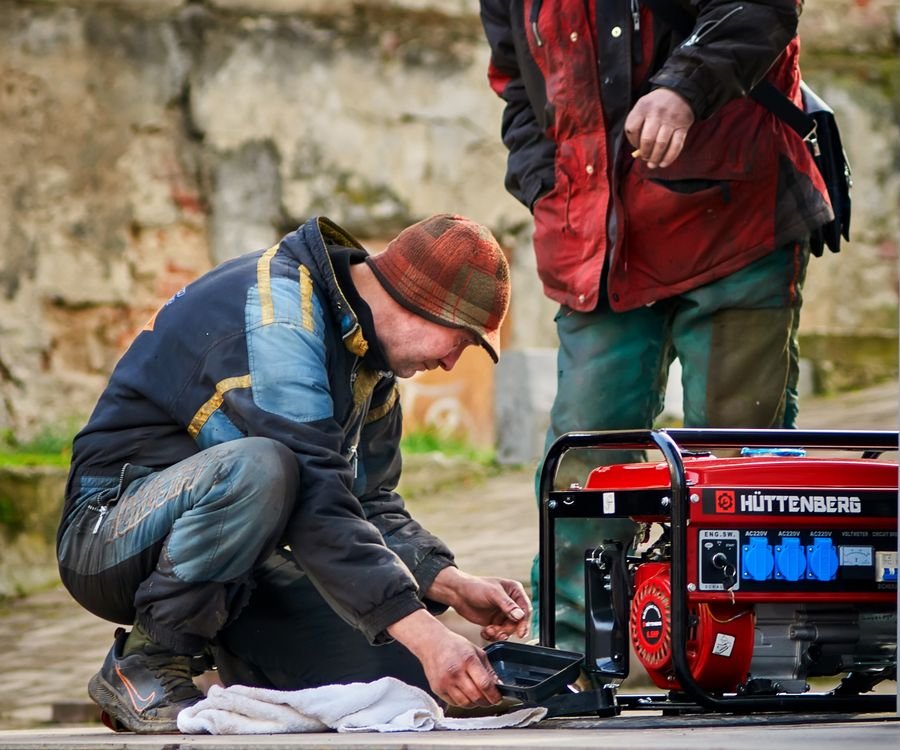
Fault 1: The generator will not start
A dead generator is the most common repair call, and the cause is usually simple: a dead or corroded battery. Standby generator batteries last two to three years, and many sit neglected until the day they are needed. Other starting failures come from stale fuel, clogged fuel filters, empty propane or natural gas supply issues, or a failed starter. Regular exercise cycles and annual battery replacement prevent most of these failures.
Fault 2: The generator starts but will not carry a load
When a generator runs but trips its own breaker or stalls under load, the causes include an undersized generator for the loads connected, dirty air filters choking the engine, low fuel pressure, or a failing voltage regulator. This is also the symptom of a transfer switch problem: the generator is fine, but power is not reaching the house. A technician can load-bank test the unit to find the weak link.
Fault 3: The generator runs rough or surges
Surging, hunting, or rough running usually traces back to fuel delivery: stale gasoline, water in the fuel, clogged carburetor jets, or a dirty air filter. On natural gas and propane units, fuel regulator problems cause the same symptoms. Rough running that is ignored strains the engine and the alternator, so it deserves prompt attention.
Fault 4: Warning lights and fault codes
Modern standby generators self-diagnose and display fault codes for issues like low oil, overcrank, overspeed, low coolant, or sensor failures. Do not just clear the code and hope it goes away. A low-oil shutdown means the oil level dropped for a reason, possibly a leak. Record the fault code before calling for service; it helps the technician arrive with the right parts.
Fault 5: The transfer switch is not transferring
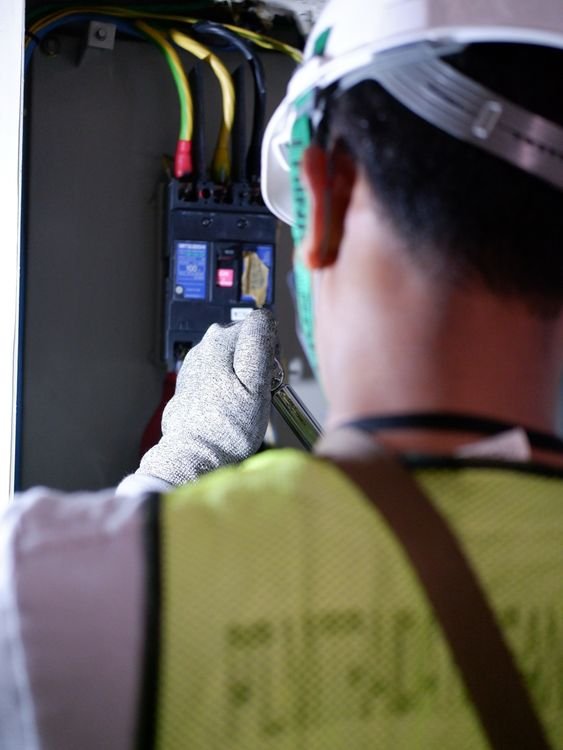
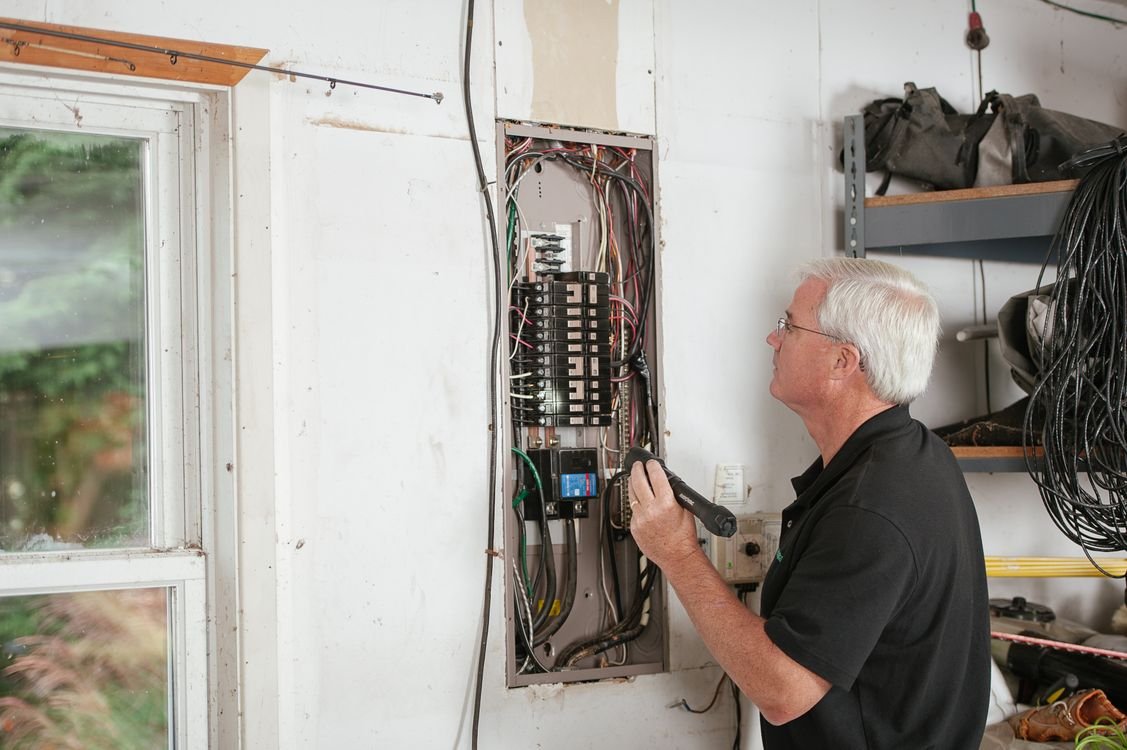
Sometimes the generator runs perfectly, yet the house stays dark. The automatic transfer switch is the device that senses a utility outage, tells the generator to start, and moves your home’s power over to it. Worn contacts, failed control boards, and loose wiring in the switch are common faults. Because the transfer switch carries your entire home’s load, its repairs belong to a qualified electrician. If your generator runs during an outage but your lights never come on, the transfer switch is the first suspect.
Maintenance tips that prevent most generator repairs
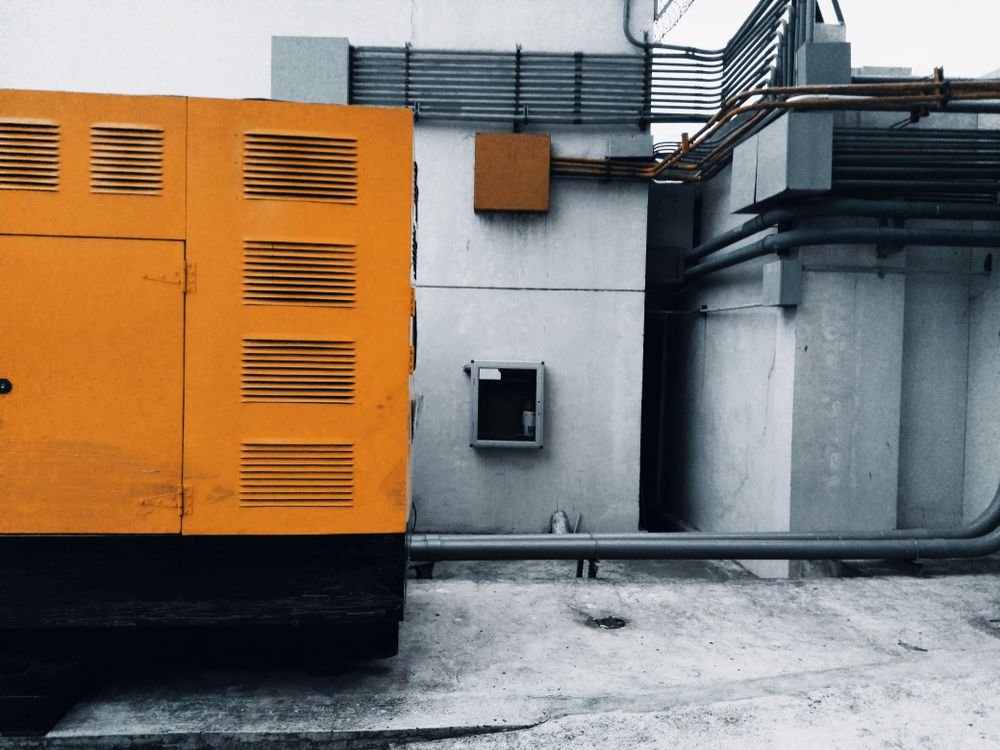
Generators are simple machines, and routine care keeps them reliable. Change the oil and filter on the manufacturer’s schedule, or at least once a year. Replace air and fuel filters regularly. For gasoline portables, use fuel stabilizer and run the carburetor dry before storage, or the carburetor will gum up within months. Keep the area around a standby unit clear of leaves, mulch, and debris so cooling airflow is unobstructed. Let the unit run its weekly exercise cycle and investigate promptly if it ever skips one. Finally, have the whole system, including the transfer switch, inspected once a year before storm season.
Safety note: carbon monoxide and backfeeding
Two generator mistakes kill people every storm season. First, never run a portable generator in a garage, carport, or near windows or doors. Carbon monoxide is odorless and can fill a home in minutes. Second, never plug a generator into a wall outlet to backfeed your home. This energizes utility lines and can electrocute line workers, and it is illegal. Use a proper transfer switch installed by an electrician, which isolates your home from the grid before generator power flows.
Repair or replace?
Batteries, filters, belts, starters, and regulators are routine repairs worth doing on any unit. When repair costs approach half the price of a new generator, or when the unit is more than fifteen years old with engine wear, replacement is usually the smarter investment. A technician’s inspection can tell you which side of that line your generator is on.
A generator that gets annual service starts when you need it and lasts for years. See our generator repair and service in Kyle, TX. Call KyleElec at (512) 555-0199 or email kyleelecc@gmail.com and we will keep your backup power ready for the next outage.