Blog

  • Home Electrical Safety Inspections: What Gets Checked and How Often

    Home Electrical Safety Inspections: What Gets Checked and How Often

    Most homeowners never think about their electrical system until something goes wrong. But wiring, panels, and devices age, loosen, and wear out silently behind your walls. A professional electrical safety inspection catches those hidden problems before they become fires, shocks, or expensive failures. This guide explains what an inspection covers, how often your Kyle home needs one, and what happens after the electrician leaves.
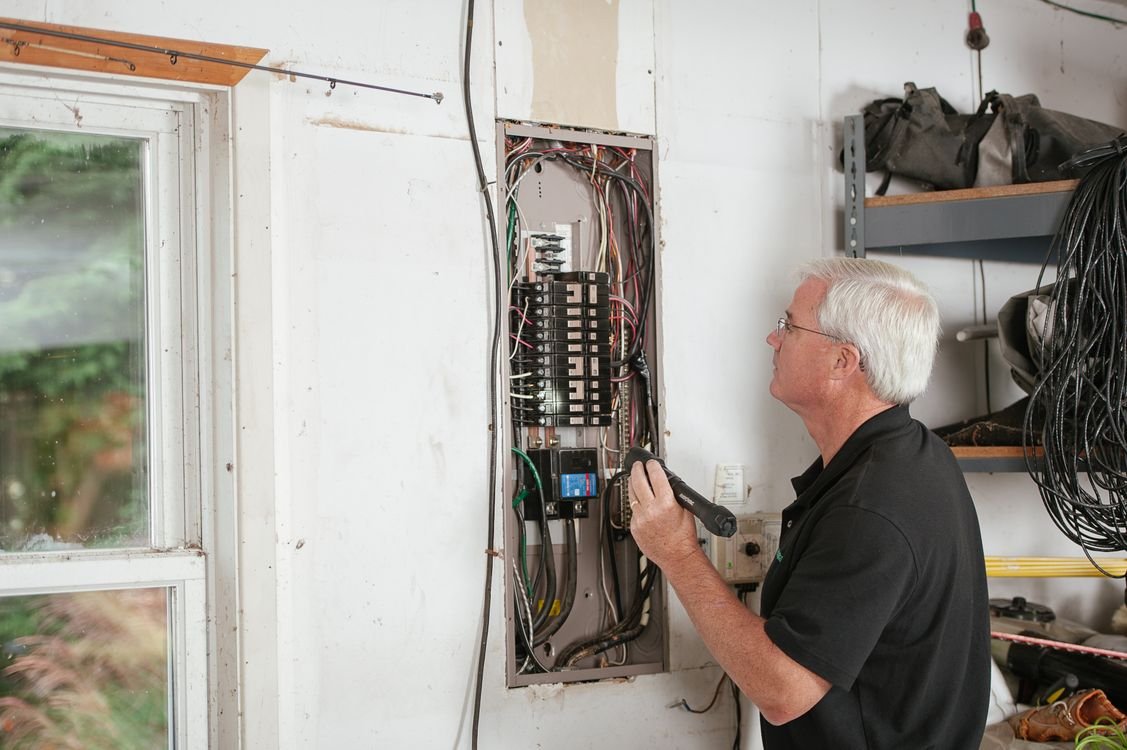
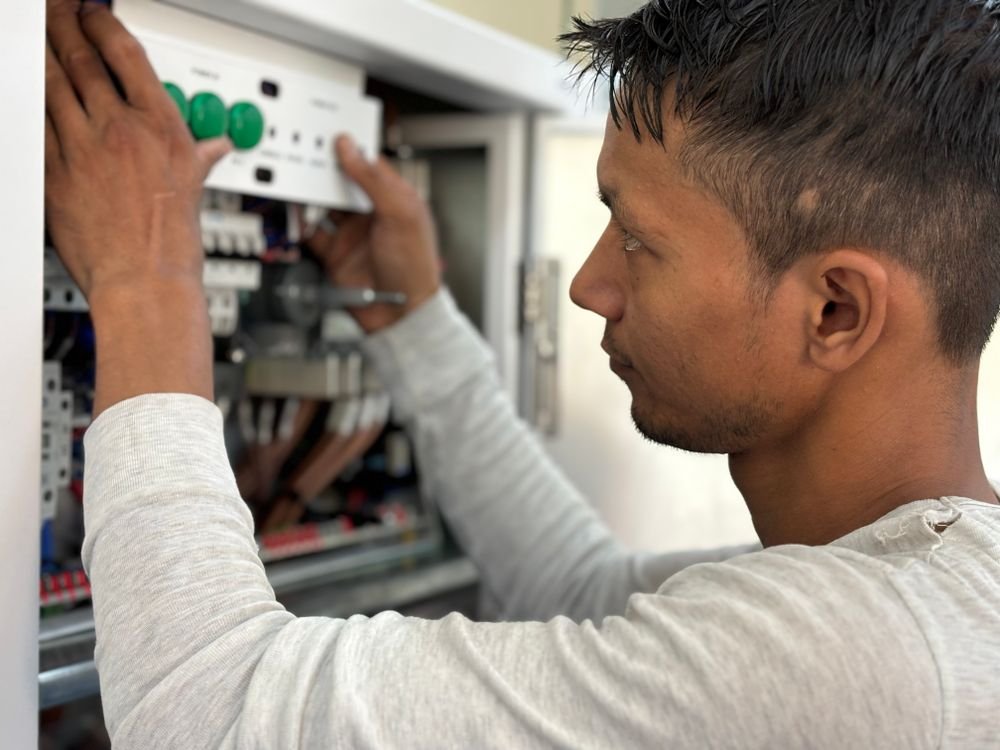
    Electrician inspecting a residential fuse box
    Photo: Kathleen Austin Kuhn / Pexels

    What is an electrical safety inspection?

    An electrical safety inspection is a thorough, top-to-bottom check of your home’s electrical system by a qualified electrician. Unlike a home inspection done during a real estate transaction, which only samples visible components, an electrical safety inspection opens panels, tests devices, and evaluates the condition of wiring, grounding, and protection devices throughout the house. The goal is simple: find anything unsafe, worn, overloaded, or out of code, and tell you exactly what to do about it.

    What gets checked

    A comprehensive inspection typically covers:

    • The service panel. Breaker condition, proper labeling, signs of heat or corrosion, double-tapped breakers, correct breaker sizes for each circuit, and available capacity.
    • Grounding and bonding. The grounding electrode system, bond connections, and grounding of the panel and major appliances.
    • Wiring condition. Visible wiring in the attic, crawl space, garage, and panel for damage, improper splices, aluminum wiring concerns, and outdated materials like knob-and-tube.
    • Outlets and switches. A representative sample tested for correct wiring, grounding, GFCI and AFCI protection where required, and signs of heat damage.
    • GFCI and AFCI protection. Testing that these life-safety devices trip correctly with the TEST button and with a tester.
    • Lighting and ceiling fans. Proper support, correct wattage, and safe connections, especially for heavy fixtures.
    • Smoke and carbon monoxide alarms. Presence, placement, age, and working condition.
    • Major appliances. Dedicated circuits, proper connections, and grounding for ranges, dryers, water heaters, and HVAC equipment.
    • Outdoor electrical. Weatherproof covers, GFCI protection, and condition of exterior wiring and fixtures.

    How often should you get one?

    • Every 3 to 5 years for most homes, as a general preventive measure.
    • When buying an older home, especially one built before the 1990s, or when the electrical history is unknown.
    • After major storms, flooding, or lightning strikes that may have damaged the system.
    • Before or after major renovations, to make sure new and old wiring work safely together.
    • When adding large new loads like an EV charger, hot tub, or home addition.
    • If you notice warning signs: frequent breaker trips, flickering lights, burning smells, warm outlets, or mild shocks.

    How to prepare for your inspection

    A little preparation makes the inspection faster and more thorough:

    • Clear access to the electrical panel, water heater, HVAC equipment, and attic or crawl space entrances.
    • Make a list of any electrical quirks you have noticed: outlets that do not work, switches that feel warm, lights that flicker, breakers that trip.
    • Know the age of your home and of any major electrical work, if you can. Previous permits or contractor invoices are helpful.
    • Plan to be home during the inspection so the electrician can ask questions and show you any concerns in person.

    What an inspection typically costs

    Inspection pricing depends on the size and age of your home and how detailed the inspection is. A basic safety inspection of an average single-family home is one of the most affordable electrical services there is, especially compared to the cost of repairing fire or water damage from an electrical failure. Many electricians credit part of the inspection fee toward repair work if you hire them to fix what they find. When comparing quotes, ask exactly what is included: a proper inspection opens the panel and tests devices, not just a quick walkthrough.

    Safety note: what an inspection is not

    An inspection finds problems; it does not fix them. If the electrician discovers a serious hazard, like a dangerously overheated panel or exposed live wiring, they will make it safe on the spot if possible and recommend the proper repair. Do not ignore the findings. An inspection report that sits in a drawer does nothing. Prioritize safety items first, then code compliance, then improvements. And never let anyone talk you into skipping permits for the repairs an inspection uncovers; the permit and inspection process exists to verify the fix is correct.

    What happens after the inspection

    You should receive a clear written report listing every finding, ranked by urgency: immediate safety hazards, recommended repairs, and suggested improvements. A good electrician will walk you through the report, explain each item in plain language, and provide pricing for the repairs so you can plan. There is no obligation to have the same company do the repair work, but using the electrician who already knows your system often makes sense.

    Think of an electrical inspection like a physical for your home: a little preventive attention now avoids emergencies later. Learn more about keeping your home safe on our electrical safety page. To schedule a home electrical safety inspection in Kyle, TX, call KyleElec at (512) 555-0199 or email kyleelecc@gmail.com.

  • Exterior Outlet Boxes: Weatherproof Outdoor Power in Kyle, TX

    Exterior Outlet Boxes: Weatherproof Outdoor Power in Kyle, TX

    Holiday lights, power tools, landscape lighting, pool equipment, and that inflatable Santa all need one thing: safe outdoor power. Exterior outlet boxes make it possible, but outdoor outlets live a hard life. They face Central Texas sun, sudden downpours, dust, insects, and the occasional weed whacker. This guide explains how weatherproof outlet boxes work, what the code requires, and how to keep your outdoor power safe in Kyle, TX.

    Weatherproof outdoor metal electrical outlet box
    Photo: Dean Fugate / Pexels

    What makes an outlet box weatherproof?

    An exterior outlet box is a sealed enclosure, usually metal or heavy-duty plastic, with gasketed covers that keep water and dust away from the electrical connections inside. The key components are:

    • The box itself, rated for outdoor (wet or damp) locations, with threaded hubs or sealed knockouts where conduit or cable enters.
    • A weatherproof cover, either a flat cover for outlets used occasionally or an “in-use” bubble cover that protects the outlet even while a cord is plugged in.
    • GFCI protection, required by code for all outdoor receptacles, which shuts off power instantly if current leaks to ground.
    • Proper mounting and sealing, with the box secured to the structure and sealed against the wall so water cannot get behind it.

    In-use covers: the detail most people miss

    An ordinary weatherproof cover only protects the outlet when nothing is plugged in and the cover is closed. But outdoor outlets are usually in use with something plugged in, which is exactly when rain strikes. That is why code now requires “in-use” or “extra-duty” covers on outdoor receptacles in wet locations: deep, domed covers that close and latch over a plugged-in cord, keeping the connection dry while power flows. If your outdoor outlets still have the old flat flip covers, upgrading to in-use covers is a simple, worthwhile improvement.

    Where outdoor outlets are required and useful

    • Front and back of the house. Code requires at least one receptacle at the front and rear of a dwelling, accessible from grade level.
    • Decks, patios, and porches. Any usable outdoor living space benefits from its own outlet.
    • Near HVAC equipment. Code requires a service receptacle within reach of outdoor condensing units for maintenance.
    • Pools and spas. These have strict, specific receptacle placement and GFCI rules, always a job for a professional.
    • Workshops, sheds, and landscape features. Plan circuits for lighting, pumps, and tools before you need them.

    Common outdoor outlet problems

    • GFCI tripping. Outdoor GFCIs trip more often because moisture, insects, and temperature swings stress the devices and anything plugged into them. If resetting does not hold, unplug everything and try again; if it still trips, the GFCI or the wiring may need replacement.
    • Corrosion. Green or white crust on terminals, or a cover that no longer seals, means water is getting in. Corroded devices should be replaced.
    • Cracked or missing covers. Sun-baked plastic covers become brittle and break, leaving the outlet exposed. Replace them promptly.
    • No power at all. Check the GFCI first, including indoor GFCIs in garages or bathrooms that may protect the outdoor circuit downstream.

    Safety note: water and electricity are a deadly combination

    Never use an indoor-rated outlet, extension cord, or power strip outdoors. Never plug into an outdoor outlet with a damaged cover, visible corrosion, or standing water around it. Test your outdoor GFCI outlets monthly by pressing the TEST button; the power should cut off, and the RESET button should restore it. If a GFCI will not reset or will not trip when tested, stop using that outlet and have it replaced. And never run permanent wiring to a shed, pool, or landscape feature with an extension cord; underground circuits need proper burial depth, conduit, and GFCI protection installed by an electrician.

    Adding new outdoor outlets

    Adding an outdoor outlet involves running a new circuit (or extending an existing one), cutting into siding or masonry, mounting a weatherproof box, and wiring a GFCI receptacle with an in-use cover, all to code. It is straightforward work for an electrician and usually completed in a single visit. Consider future needs while you are at it: holiday lighting, a patio kitchen, or landscape lighting are all easier to power when the outlet is already there.

    Safe outdoor power starts with the right box, the right cover, and GFCI protection that actually works. For new exterior outlets, GFCI replacement, or troubleshooting a dead outdoor circuit, see our outlet and switch repair service in Kyle, TX. Call KyleElec at (512) 555-0199 or email kyleelecc@gmail.com, and we will get your outdoor power weatherproofed and working.

  • What Does an Electrician Do? Residential vs. Commercial Work Explained

    What Does an Electrician Do? Residential vs. Commercial Work Explained

    Electricians do far more than change light bulbs and reset breakers. They design, install, maintain, and repair the electrical systems that power modern life, from the wiring inside your walls to the service feeding an entire commercial building. But not all electrical work is the same. This guide explains what electricians do day to day, how residential work differs from commercial work, and why the distinction matters when you hire one in Kyle, TX.

    Electrician adjusting a circuit breaker panel
    Photo: ranjeet. / Pexels

    What an electrician does every day

    At its core, an electrician’s job is to make electricity safe and useful. Typical work includes:

    • Installing wiring and devices in new construction and remodels, from rough-in wiring to outlets, switches, and fixtures.
    • Upgrading panels and service so homes and businesses can handle modern electrical loads safely.
    • Troubleshooting failures, tracing dead circuits, tripping breakers, and intermittent faults to their source.
    • Repairing and replacing damaged wiring, faulty devices, worn panels, and malfunctioning equipment.
    • Installing dedicated circuits for appliances, HVAC, EV chargers, and commercial equipment.
    • Testing and inspection, verifying that systems are safe, grounded, and code-compliant.
    • Emergency response, making dangerous situations safe at any hour.

    Residential electrical work

    Residential electricians specialize in homes: single-family houses, townhomes, and apartments. The work centers on 120/240-volt single-phase systems and the things homeowners care about most: safety, comfort, and convenience. Common residential jobs include panel upgrades, outlet and switch repair, lighting installation, ceiling fan installation, EV charger installation, whole-house surge protection, generator installation, and troubleshooting the everyday mysteries of flickering lights and dead outlets.

    Residential work is personal. The electrician is in your home, working around your family, your pets, and your schedule. Communication matters as much as technical skill: a good residential electrician explains what is wrong in plain language, gives clear pricing before starting, and leaves the work area clean.

    Commercial electrical work

    Commercial electricians work in businesses: offices, restaurants, retail stores, warehouses, and industrial facilities. The scale and complexity are a step up. Commercial buildings often use three-phase power at higher voltages, with far greater loads, stricter code requirements, and systems like emergency lighting, fire alarm interfaces, and building automation that homes simply do not have.

    Commercial work also runs on a different rhythm. Downtime costs money, so jobs are scheduled around business hours, phased to keep operations running, and coordinated with other trades, property managers, and inspectors. Documentation, permits, and code compliance carry extra weight because the liability exposure is greater.

    Key differences at a glance

    • Voltage and power: homes use 120/240V single-phase; commercial sites often use 208V or 480V three-phase.
    • Scale: a home panel might have 30 circuits; a commercial building can have hundreds.
    • Code: both follow the National Electrical Code, but commercial occupancies face additional requirements for emergency systems, accessibility, and energy use.
    • Scheduling: residential work fits around family life; commercial work fits around business operations.
    • Equipment: commercial electricians regularly handle motor controls, transformers, and switchgear rarely seen in homes.

    Safety note: hire the right electrician for the job

    Many electricians handle both residential and commercial work, but always confirm the one you hire has experience with your type of project. A residential specialist may not be set up for a restaurant buildout, and a commercial contractor may not be the best fit for a delicate home troubleshooting job. In Texas, verify the electrician holds a current license from the Texas Department of Licensing and Regulation. And for any project involving the panel, new circuits, or service changes, insist on permits and inspections. They protect you, not just the city.

    Training: how electricians learn the trade

    Becoming an electrician takes years. In Texas, it starts with an apprenticeship combining classroom instruction and thousands of hours of supervised on-the-job training, followed by journeyman licensing and exams. Master electricians complete additional years of experience and testing. That training is why electrical work is not a learn-from-videos trade: the knowledge of code, safety practices, and troubleshooting only comes from guided experience with real systems.

    Whether you need a home repair, a panel upgrade, or work on your business, you want an electrician with the right experience for the job. Browse our full range of residential and commercial electrical services in Kyle, TX. Call KyleElec at (512) 555-0199 or email kyleelecc@gmail.com, and tell us what you need. We will match the right expertise to your project.

  • Electrical Panel Upgrade Guide: 200-Amp Service, Costs, and Timing

    Electrical Panel Upgrade Guide: 200-Amp Service, Costs, and Timing

    Your electrical panel is the heart of your home’s electrical system. Every light, outlet, and appliance draws its power through that gray metal box, and when it can no longer keep up, the whole house feels it: breakers that trip, lights that dim, and no room left for the upgrades you want. This guide explains what an electrical panel upgrade involves, what 200-amp service means, what drives the cost, and how to tell when the timing is right for your Kyle home.

    Modern electrical panel with rows of circuit breakers
    Photo: smart-me AG / Pexels

    What does 200-amp service mean?

    The amperage rating of your service is the maximum amount of electrical current your home can draw at once. Many older Kyle homes were built with 60-amp or 100-amp service, which was plenty when houses had a handful of appliances. Today’s homes run central air conditioning, electric dryers and ranges, home offices full of equipment, EV chargers, and more. A 200-amp service is the modern standard for a typical single-family home, providing enough capacity for current needs plus headroom for future additions.

    An upgrade to 200 amps usually means replacing the panel itself, the main breaker, the service entrance conductors, and often the meter base and weatherhead, all sized for the higher capacity. Your electric utility must also approve the increased service size.

    Signs your panel needs an upgrade

    • Frequent breaker trips, especially when running normal combinations of appliances.
    • The panel is full, with no open slots for new circuits, or it relies on tandem breakers stacked everywhere.
    • You are adding major loads like an EV charger, a hot tub, a home addition, or switching from gas to electric appliances.
    • The panel is old or obsolete, particularly certain discontinued brands known for safety issues, or a fuse box that predates modern breakers.
    • Flickering or dimming lights when large appliances cycle on.
    • The panel feels warm, buzzes, or shows rust, corrosion, or scorch marks.

    What drives the cost of a panel upgrade?

    Panel upgrade costs vary widely because no two jobs are identical. The main cost factors include:

    • Service size and panel capacity. A straightforward 100-to-200-amp panel swap costs less than a full service upgrade requiring new service entrance wiring and utility coordination.
    • Existing wiring condition. If the service entrance conductors, meter base, or grounding system need replacement to meet current code, that adds to the job.
    • Panel location. Moving a panel to a new location, or one that is difficult to access, adds labor and materials.
    • Code updates. Current code may require AFCI or GFCI breakers, whole-house surge protection, or grounding improvements that were not present before.
    • Permits and inspections. Kyle requires permits for service upgrades, and the work must pass inspection.
    • Utility coordination. The power company must disconnect and reconnect service, and their scheduling affects timing.

    Because of these variables, the only way to get an accurate price is an on-site evaluation. Be cautious of quotes given sight unseen; a responsible electrician wants to see your existing panel, meter, and service entrance before pricing the work.

    What the upgrade process looks like

    • Evaluation. The electrician inspects your panel, meter base, grounding, and service entrance, and discusses your current and future electrical needs.
    • Permitting. The electrician pulls the required permits with the city.
    • Utility scheduling. A temporary power disconnect is coordinated with your electric provider.
    • Installation day. The old panel comes out and the new one goes in, usually in a single day. Your power will be off for several hours, so plan accordingly.
    • Inspection and reconnection. The work is inspected, the utility restores power, and every circuit is tested.

    Safety note: this is not a DIY project

    A service panel upgrade involves working directly with the unfused service entrance conductors, which carry the full power from the utility and cannot be shut off by any breaker in your home. One mistake can cause an arc flash, a fire, or a fatal shock. Panel upgrades require permits, licensed electricians, and inspections for good reason. Never attempt this work yourself.

    Timing: when to schedule your upgrade

    The best time to upgrade is before you need the capacity, not after problems force your hand. Plan your panel upgrade before you buy the EV, before the home addition is framed, or before you convert to electric appliances. If your panel shows any of the warning signs above, get an evaluation now rather than waiting for a failure. And if you are buying an older home in Kyle, have the panel inspected during your option period so you can negotiate or budget for the upgrade.

    A modern 200-amp panel gives your home the capacity, safety, and flexibility it needs for decades to come. To find out what your upgrade would involve, see our electrical panel repair and upgrade service. Call KyleElec at (512) 555-0199 or email kyleelecc@gmail.com for an on-site evaluation in Kyle, TX.

  • Commercial Electrician Services for Kyle, TX Small Businesses

    Commercial Electrician Services for Kyle, TX Small Businesses

    When the lights go out in your home, it is an inconvenience. When they go out in your business, it is lost revenue, idle employees, and unhappy customers. Kyle’s small businesses, from the restaurants along Center Street to the shops and offices filling our growing commercial corridors, depend on electrical systems that are safe, reliable, and up to code. This guide explains what commercial electrical services cover, how they differ from residential work, and how to keep your business powered without interruption.

    Glass office building at twilight with interior lights on
    Photo: Wellington Silva / Pexels

    What commercial electrical services include

    Commercial electrical work covers the systems that keep a business running:

    • Lighting, including interior lighting, parking lot and security lighting, signage circuits, and energy-efficient LED retrofits that cut operating costs.
    • Power distribution, from panel upgrades to new circuits for equipment, point-of-sale systems, kitchen appliances, or office buildouts.
    • Dedicated circuits for sensitive or high-draw equipment like servers, refrigeration, HVAC, and commercial kitchen gear.
    • Emergency and exit lighting required by code, plus testing and maintenance.
    • Surge protection for the whole building, guarding expensive equipment against Central Texas storms.
    • Troubleshooting and repair of outages, tripping breakers, dead outlets, and malfunctioning equipment circuits.
    • Code compliance corrections found during inspections or insurance reviews.

    How commercial work differs from residential

    Commercial electrical systems are larger, more complex, and held to stricter standards than home wiring. Businesses often use three-phase power, higher voltages, and far greater loads. The National Electrical Code has entire sections devoted to commercial occupancies, and local authorities in Kyle enforce them through permits and inspections. Scheduling matters too: work often needs to happen before opening, after closing, or in phases so your business stays open. A commercial electrician plans around your operating hours, not the other way around.

    Warning signs your building needs electrical attention

    Electrical problems in commercial buildings rarely appear out of nowhere. Watch for these early warnings and act on them before they become shutdowns:

    • Breakers that trip repeatedly, especially when specific equipment runs.
    • Lights that dim when motors, compressors, or kitchen equipment start up.
    • Outlets or switches that feel warm, or a panel room that smells hot.
    • Flickering fluorescent or LED fixtures, which can indicate failing ballasts, drivers, or loose neutrals.
    • Buzzing or humming from the panel, a clear sign of a loose connection that needs immediate attention.
    • Employees reporting mild shocks from equipment frames or plumbing fixtures.

    Any of these deserves a professional look. In a commercial setting, a loose connection does not just risk a fire, it risks your inventory, your equipment, and your ability to open tomorrow.

    Planned maintenance beats emergency repairs

    The most expensive electrical problem is the one that shuts you down on a busy day. A simple maintenance routine prevents most of them:

    • Annual inspection of panels, looking for heat, corrosion, and loose connections.
    • Testing of emergency lighting, exit signs, and GFCI/AFCI protection.
    • Thermal scanning of panels and switchgear to catch hot spots before they fail.
    • Checking parking lot and security lighting before the darker winter months.
    • Reviewing your electrical load before adding new equipment, so you do not overload existing circuits.

    LED retrofits: an upgrade that pays for itself

    For many Kyle small businesses, the single best electrical investment is an LED lighting retrofit. Commercial spaces that still run older fluorescent or metal-halide lighting are paying far more than they need to for light. LED retrofits typically cut lighting energy use by half or more, last years longer than the lamps they replace, and improve the look of retail and office spaces. Because lighting often runs ten or more hours a day in a business, the payback period is frequently under two years. A commercial electrician can survey your existing fixtures, recommend compatible LED replacements or new fixtures, and handle the installation with minimal disruption.

    Safety note: protect your people and your liability

    As a business owner, you are responsible for the safety of employees and customers on your premises. Exposed wiring, missing cover plates, malfunctioning exit lights, and overloaded circuits are not just hazards, they are liability risks. If an inspector or your insurer flags an electrical issue, address it promptly and keep records of the repair. Never ask staff to reset tripping breakers repeatedly or to work around known electrical problems.

    Tenant improvements and buildouts

    Moving into a new space in Kyle or remodeling your current one? Electrical is one of the first trades on site and one of the last to finish. Plan for lighting layouts, outlet placement, dedicated equipment circuits, data and low-voltage coordination, and signage power. Getting the electrical design right during the buildout is far cheaper than retrofitting after the walls are closed.

    Your business cannot afford electrical guesswork. From LED retrofits and panel upgrades to troubleshooting that keeps you open, see our full range of electrical services for Kyle, TX businesses. Call KyleElec at (512) 555-0199 or email kyleelecc@gmail.com to schedule commercial service around your business hours.

  • Lamp and Light Fixture Repair Guide for Kyle Homeowners

    Lamp and Light Fixture Repair Guide for Kyle Homeowners

    A favorite lamp that will not light, a ceiling fixture that flickers, or a chandelier that lost half its bulbs can dim more than a room. Before you throw the fixture away or live with the darkness, know that most lamp and light fixture problems are simple to diagnose and often simple to fix. This guide for Kyle homeowners walks through the common causes of lamp failure, the safe fixes you can handle yourself, and the warning signs that mean you should call an electrician.

    Decorative lamp glowing on a wooden table
    Photo: Brunxs / Pexels

    Start with the simplest checks

    Most “broken” lamps are not broken at all. Run through these quick checks first:

    • Is it plugged in? Check that the plug is fully seated in the outlet, and try a different outlet to rule out a dead receptacle.
    • Is the bulb good? Try a bulb you know works. Bulbs die; it is the most common cause by far.
    • Is the switch on? Check the lamp’s own switch, the wall switch, and any pull chain. For table lamps on switched outlets, make sure the wall switch is on.
    • Is the breaker tripped? If the outlet the lamp uses is dead along with other outlets, check your breaker panel.
    • Is a dimmer involved? Older dimmers can behave strangely with LED bulbs, causing flicker or failure to light. Try the lamp on a non-dimmed outlet.

    Common lamp problems and their fixes

    The lamp works only when you wiggle the cord. The cord is likely damaged where it enters the lamp or the plug. Unplug the lamp and inspect the full length of the cord for cracks, fraying, or exposed wire. A damaged cord should be replaced, not taped. Replacement cords are inexpensive, but if you are not comfortable rewiring a plug, an electrician can do it quickly and safely.

    The bulb will not screw in or keeps loosening. The socket’s center contact tab may be flattened. With the lamp unplugged, gently lift the small brass tab at the bottom of the socket with a fingernail or a non-metallic tool so it makes firm contact with the bulb base. Never do this while the lamp is plugged in.

    The socket feels loose or the switch is flaky. Lamp sockets wear out. Replacement sockets are cheap and widely available, and swapping one is a straightforward job on an unplugged lamp. Match the socket type and wattage rating.

    A hardwired ceiling fixture flickers or dies. First check the bulbs and make sure they are compatible with any dimmer on the circuit. If new bulbs do not help, the problem may be a loose wire connection in the fixture box, a failing dimmer, or a loose neutral, all of which belong to an electrician.

    Safety note: respect wattage ratings and heat

    Every fixture has a maximum bulb wattage printed on the socket or shade. Exceeding it overheats the wiring and the shade, and it is a genuine fire hazard, especially with enclosed fixtures. When switching to LEDs, remember the “equivalent” wattage on the box is about brightness; check the actual wattage the LED draws, which is far lower. If a fixture or its shade feels hot, smells hot, or shows browned or brittle insulation on its wires, stop using it and unplug it until it is inspected.

    When to call an electrician instead of DIY

    • The problem is in a hardwired ceiling or wall fixture and persists after bulb and dimmer checks.
    • You see sparking, scorch marks, melted plastic, or smell burning from any fixture or switch.
    • Multiple fixtures on the same circuit misbehave, which points to a circuit problem, not a lamp problem.
    • The fixture needs to be moved, added, or wired to a new switch.
    • You are uncomfortable working with any wiring, even on an unplugged lamp.

    Should you repair or replace?

    For an inexpensive lamp, a new socket or cord can cost more in time than the lamp is worth, and replacement may be the practical choice. For quality fixtures, chandeliers, or hardwired lighting, repair almost always wins. An electrician can rewire a treasured fixture, convert it to LED-compatible components, or install a new fixture of your choice safely and to code.

    Do not live with a dark room or a flickering fixture. Whether your lamp needs a simple socket replacement or your ceiling fixture needs professional diagnosis, our outlet, switch, and fixture repair service covers Kyle, TX homes. Call KyleElec at (512) 555-0199 or email kyleelecc@gmail.com, and we will get your lights working properly again.

  • 24 Hour Electrician Near Me: What Counts as a Real Emergency in Kyle, TX

    24 Hour Electrician Near Me: What Counts as a Real Emergency in Kyle, TX

    It is 11 p.m., you smell something burning near the breaker panel, and you are searching “24 hour electrician near me” with shaky hands. Plenty of companies advertise round-the-clock service, but what actually counts as an electrical emergency? And when you call, what happens next? This guide explains which situations truly cannot wait until morning, how a real 24-hour electrician in Kyle, TX handles your call, and what you should do while you wait for help to arrive.

    Knowing the difference between an emergency and an inconvenience saves you stress, money, and potentially your home. Let us break it down.

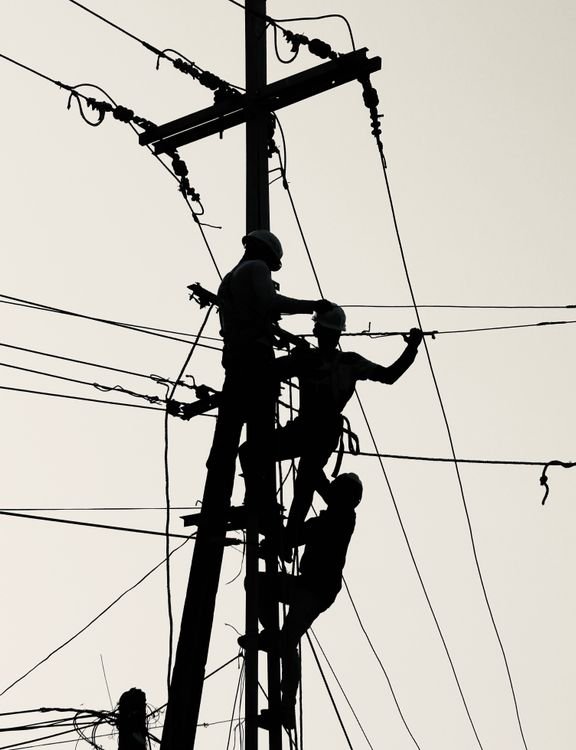
    Silhouetted workers repairing electrical power lines on a utility pole
    Photo: Srik_ Ravi / Pexels

    What counts as a real electrical emergency?

    An electrical emergency is any situation where there is an immediate risk to life, health, or property. Call a 24-hour electrician right away if you experience any of these:

    • Burning smell or smoke from outlets, switches, the breaker panel, or appliances. This can signal an active electrical fire inside your walls.
    • Sparking or arcing from any electrical device, outlet, or panel. Visible sparks mean something is seriously wrong.
    • A breaker panel that is hot to the touch, buzzing loudly, or showing scorch marks.
    • Complete power loss when your neighbors have power, especially if the main breaker will not reset.
    • An outlet or switch that shocks you, even mildly. That tingle is a warning.
    • Water contacting electrical systems, such as flooding near the panel, outlets, or appliances.
    • A downed service wire to your home, or a damaged meter box after a storm or accident.
    • Loss of power to critical medical equipment with no backup available.

    What can usually wait until morning?

    Not every electrical problem is an emergency, and an honest electrician will tell you so. These situations are inconvenient but generally safe to leave until business hours:

    • A single dead outlet with no signs of burning, sparking, or heat.
    • A light fixture that stopped working (check the bulb and breaker first).
    • A breaker that tripped once and reset normally without tripping again.
    • Minor flickering confined to one lamp or fixture.
    • Planning questions, like adding outlets or upgrading lighting.

    When in doubt, call and describe the situation. A reputable 24-hour service will tell you honestly whether you need someone tonight or can safely wait.

    How the 24-hour call process works

    Here is what to expect when you call KyleElec after hours:

    • We answer. A real person picks up 24/7, not a voicemail maze. We will ask what is happening, whether anyone is in danger, and whether you smell burning or see sparks.
    • Safety first. If the situation sounds immediately dangerous, we will tell you to get everyone out and call 911 before we discuss anything else.
    • Phone triage. We will walk you through quick safe checks, like whether the main breaker is tripped or whether the problem affects the whole house.
    • Honest dispatch. If it is a true emergency, we dispatch right away and give you an estimated arrival time. If it can wait, we will say so and schedule a regular visit, saving you the after-hours fee.
    • On arrival, we make it safe first. The first job is always to eliminate the immediate hazard: de-energizing a faulty circuit, isolating a damaged panel section, or disconnecting a dangerous appliance. Then we explain the full repair and its cost before proceeding.

    What to do while you wait

    • If you smell burning, turn off the main breaker if you can reach the panel safely, and get everyone out of the house.
    • Do not touch a sparking outlet or a hot panel. Do not pour water on any electrical fire or spark.
    • Keep a flashlight handy, not candles.
    • Do not open the breaker panel cover or poke around inside it. The main lugs stay energized even with the main breaker off and can kill.
    • Keep pets and children away from the affected area.

    Safety note: call 911 for fire, then the electrician

    If you see flames or heavy smoke, leave the house immediately and call 911 from outside. Do not try to fight an electrical fire yourself beyond using a fire extinguisher on a very small, contained flame, and only if you can do so safely. Once the fire department has cleared the scene, an electrician can assess the damage and make the system safe again.

    What does after-hours service cost?

    Emergency calls typically carry an after-hours service fee on top of the repair cost, because you are paying for immediate response at night, on weekends, or on holidays. A trustworthy company tells you the fee upfront on the phone, before dispatching. Be wary of anyone who will not discuss pricing until they arrive. And remember: for a genuine emergency, the fee is minor compared to the cost of a house fire.

    Electrical emergencies do not keep office hours, and neither do we. If you are facing sparking, smoking, a dead panel, or anything that feels dangerous, do not wait until morning. Learn more about our 24-hour emergency electrician service in Kyle, TX. Call KyleElec now at (512) 555-0199 or email kyleelecc@gmail.com. We will answer, we will be honest about whether you need us tonight, and if you do, we will come.
  • AFCI Breakers Explained: What an Arc-Fault Breaker Does

    AFCI Breakers Explained: What an Arc-Fault Breaker Does

    Open your breaker panel and you may notice some breakers look different from the rest. They might have a small TEST button, a colored label, or the letters AFCI printed on the handle. That is an arc-fault circuit interrupter breaker, and it is one of the most important fire-safety devices in your Kyle home. Yet most homeowners have no idea what it does or why it occasionally trips for no apparent reason.

    This guide explains arc detector breakers in plain language: what arc faults are, how AFCI breakers stop them, where they are required, and what to do when one keeps tripping.

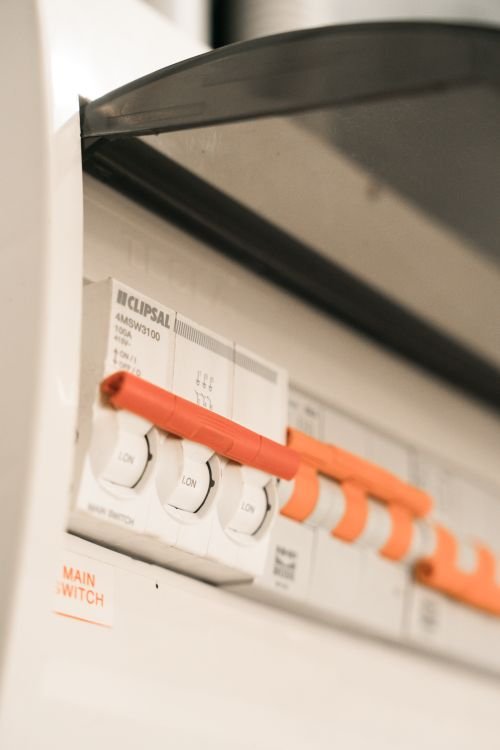
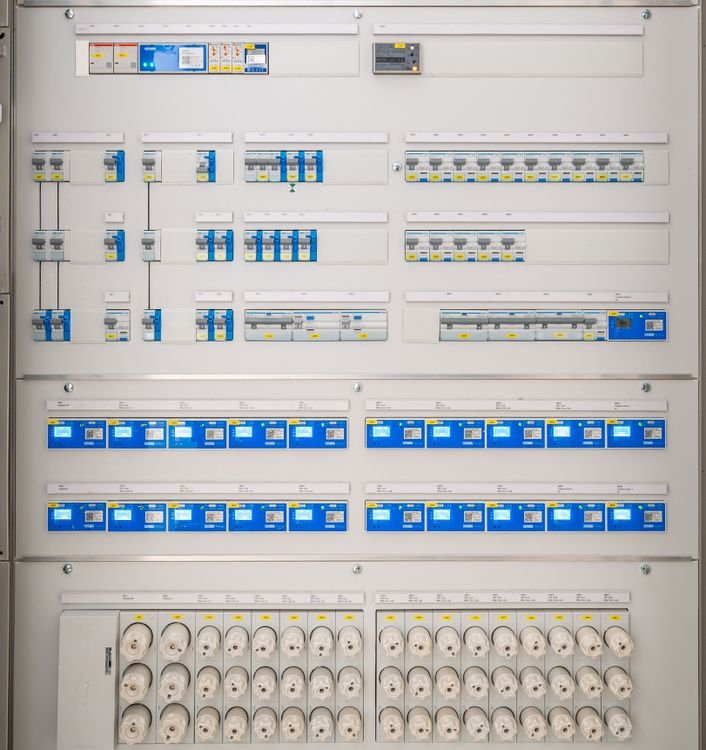
    Close-up of electrical circuit breakers in a distribution board
    Photo: Elite Power Group / Pexels

    What is an arc fault?

    An arc fault is an unintended electrical arc, essentially a tiny lightning bolt jumping across a gap in your wiring. It happens when wires are damaged, loose, or pinched: a nail driven through a cable inside a wall, a cord chewed by a rodent in the attic, a loose terminal screw in an outlet, or insulation cracked by years of Central Texas heat in the attic. The arc generates extreme heat, often thousands of degrees, which can ignite wood framing, insulation, or dust long before a standard breaker ever notices anything wrong.

    Here is the scary part: an arcing fault can draw less current than the breaker’s rating, so an ordinary breaker sees nothing abnormal and never trips. The arc just keeps sparking inside your wall. Electrical arcs are a leading cause of home electrical fires in the United States, which is exactly why AFCI protection was developed.

    How an AFCI breaker works

    An AFCI breaker contains a tiny computer that constantly listens to the electrical waveform on its circuit. Normal electricity has a smooth, predictable signature. An arc fault creates a chaotic, crackling signature full of high-frequency noise. When the breaker’s electronics recognize that dangerous pattern, it trips in a fraction of a second, cutting power before the arc can start a fire.

    Think of it this way: a standard breaker is a bouncer that only reacts when too many people rush the door at once (an overload or short circuit). An AFCI breaker is a bouncer that also recognizes the sound of trouble starting and shuts the party down early.

    AFCI vs. GFCI: what is the difference?

    Homeowners often confuse the two, but they protect against completely different hazards:

    • AFCI (arc-fault circuit interrupter) prevents fires by detecting dangerous arcing in wiring. Required mainly in living areas and bedrooms.
    • GFCI (ground-fault circuit interrupter) prevents electrocution by detecting current leaking to ground, such as through a person. Required in bathrooms, kitchens, garages, outdoors, and other wet locations.

    Many modern breakers combine both protections in one device, called a dual-function AFCI/GFCI breaker. If your panel was upgraded in the last decade, you may already have them.

    Where are AFCI breakers required?

    The National Electrical Code has expanded AFCI requirements over the years. Current code generally requires AFCI protection for most 15- and 20-amp branch circuits serving living areas: bedrooms, living rooms, family rooms, dining rooms, dens, hallways, closets, and similar spaces. Kitchens, bathrooms, and garages lean more on GFCI protection, though dual-function breakers increasingly cover both.

    If your Kyle home was built before AFCI requirements took effect, your bedrooms are likely protected only by standard breakers. Upgrading those circuits to AFCI protection is one of the highest-value safety improvements you can make, especially in older homes where wiring insulation has had decades to deteriorate.

    Why does my AFCI breaker keep tripping?

    Nuisance tripping is the most common complaint about AFCI breakers, and it has several possible causes. Sometimes the breaker is doing its job and has found a genuine arc fault, like a damaged cord or a loose outlet connection. Other times, certain devices confuse the electronics: older treadmills, some vacuum cleaners with brushed motors, and cheap LED drivers can produce waveforms that look like arcing.

    • Unplug everything on the circuit, reset the breaker, then plug items back in one at a time to identify the culprit.
    • Inspect cords and plugs for damage, chew marks, or pinching behind furniture.
    • If the breaker trips with nothing plugged in, the fault is in the fixed wiring, and you need an electrician.
    • Never replace an AFCI breaker with a standard breaker to stop the tripping. That removes fire protection your home was designed to have.

    Safety note: test them regularly

    AFCI breakers have a TEST button for a reason. Press it every few months: the breaker should trip immediately. Then switch it fully off and back on to reset. If the TEST button does nothing, the breaker’s electronics may have failed, and it is providing no arc-fault protection at all. Replace it promptly. And remember, working inside a breaker panel exposes you to live parts that can kill. Leave breaker replacement to a qualified electrician.

    Arc-fault breakers are silent guardians. You may never notice them working, but they stand between a damaged wire and a house fire every single day. If your panel still uses standard breakers on bedroom and living-area circuits, or if an AFCI breaker keeps tripping and you cannot find why, have it checked. Learn more about our circuit breaker repair services in Kyle, TX. Call KyleElec at (512) 555-0199 or email kyleelecc@gmail.com for an evaluation of your panel’s protection.

  • How to Choose an Electrical Repair Service in Kyle, TX

    How to Choose an Electrical Repair Service in Kyle, TX

    Typing “electrical repair near me” into your phone is easy. Choosing the right electrician from the list of results is the hard part. The person you hire will open up your walls, work inside your breaker panel, and touch the wiring your family depends on every day. In Kyle, TX, where new subdivisions sit alongside older ranch-style homes with aging wiring, picking a qualified local electrical repair service makes all the difference between a fix that lasts and a problem that comes back worse.

    This guide gives you a practical checklist for vetting electricians: the credentials that matter in Texas, the questions that reveal quality, the pricing practices that protect you, and the red flags that should send you looking elsewhere.

    Hands repairing electrical sockets with pliers
    Photo: Ksenia Chernaya / Pexels

    Start with proper credentials

    In Texas, electricians are licensed by the Texas Department of Licensing and Regulation (TDLR). Anyone doing electrical work for hire should hold a current license, and you can verify it on the TDLR website in under a minute. A licensed electrician has passed exams, logged thousands of supervised hours, and is required to follow the National Electrical Code. Unlicensed handymen may be cheaper, but they cannot pull permits, their work is not inspected, and your homeowner’s insurance may not cover damage from unpermitted electrical work.

    Ask for the license number before you book, not after the work is done. A reputable company gives it freely.

    Choose local: why a Kyle electrician beats a distant chain

    A local electrician knows Kyle’s housing stock. They have seen the aluminum wiring in 1970s-era homes near downtown, the builder-grade panels in early-2000s subdivisions, and the specific grounding and surge issues that come with Central Texas soil and storms. That familiarity means faster diagnoses and repairs that account for how homes here were actually built.

    Local also means accountable. A company rooted in Kyle depends on its reputation with your neighbors. Response times are shorter too: when your panel is sparking at 9 p.m., you want someone already in Hays County, not dispatched from an hour away.

    Read reviews the smart way

    Online reviews are useful if you read them critically. Look for patterns rather than single glowing or angry reviews. Do customers mention punctuality, clean work areas, and clear explanations? Do the negative reviews describe the same problem repeating, like surprise charges or no-shows? A company with dozens of detailed local reviews is a safer bet than one with five generic five-star ratings. Also check how the business responds to criticism: a professional, specific reply says more about character than the complaint itself.

    Get clear pricing before work starts

    Electrical repairs should never be a mystery bill. A trustworthy electrician will diagnose the problem, explain your options in plain language, and give you a written price before touching a wire. Be cautious of anyone who quotes a suspiciously low price over the phone without seeing the job, or who starts work and discovers the price keeps climbing. Ask whether the quote covers parts and labor, whether there is a service-call fee, and what happens if the repair uncovers additional issues.

    Ask about warranties

    A confident electrician stands behind the work. Ask how long labor is warranted and what manufacturer warranties cover the installed parts. Get it in writing on the invoice. If a company will not warranty its repairs, that tells you everything about how long they expect the fix to last.

    Red flags: when to walk away

    • No license or evasive answers about credentials.
    • Demands full payment upfront before any work begins. A deposit for large jobs is normal; full prepayment is not.
    • Only accepts cash and will not provide a written invoice.
    • Pressures you to decide immediately with scare tactics about your wiring.
    • No physical presence: no local address, no branded vehicle, no online footprint.
    • Suggests skipping permits for work that clearly requires them, like panel upgrades or new circuits.

    Safety note: do not DIY what you are not qualified to do

    It is tempting to watch a video and open up an outlet yourself, but household electricity can kill. If you see scorch marks, smell burning plastic, feel a tingle from an appliance, or a breaker will not stay reset, stop and call a professional. There is no repair bill worth a hospital visit. A good electrician would rather answer your question than repair damage from a DIY attempt gone wrong.

    Choosing an electrical repair service comes down to three things: verified credentials, a strong local reputation, and honest, written pricing. Take ten minutes to check a license, read real reviews, and ask direct questions, and you will end up with an electrician you can call for years. Browse our electrical services in Kyle, TX to see what we handle, from troubleshooting and outlet repair to panel upgrades. When you are ready, call KyleElec at (512) 555-0199 or email kyleelecc@gmail.com. We will give you a straight answer and a fair price, and we warranty our work.

  • Power Outage in Kyle, TX: What to Do and When to Call an Electrician

    Power Outage in Kyle, TX: What to Do and When to Call an Electrician

    When the lights go out in Kyle, Texas, the first few minutes matter. Whether it is a summer thunderstorm rolling across Hays County, a grid strain during a heat wave, or a blown transformer on your street, knowing what to do during a power outage keeps your family safe and your home protected. This guide walks you through the exact steps to take, how to tell whether the problem is yours or the utility’s, and when it is time to call an electrician instead of waiting on hold with the power company.

    Power outages are a fact of life in Central Texas. Between spring storm season, summer heat straining the grid, and the occasional winter freeze, Kyle homeowners see their share of dark evenings. The good news: most outages are brief and need nothing more than patience. But some signal a problem inside your own electrical system, and those will not fix themselves when the grid comes back.

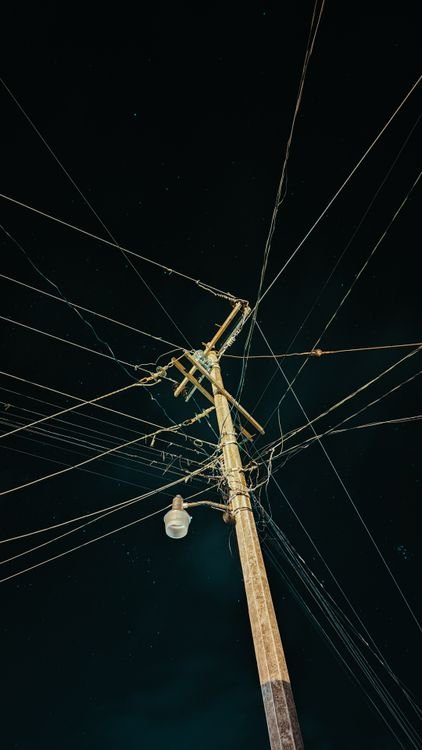
    Power lines silhouetted against a starry night sky
    Photo: Pruxius / Pexels

    First: figure out how wide the outage is

    Before you do anything else, look outside. Are your neighbors’ lights on? Are the streetlights working? This single check tells you who to call.

    • The whole neighborhood is dark. This is almost certainly a utility outage. Report it to your electricity provider and settle in to wait. In Kyle, most homes are served by Pedernales Electric Cooperative or Austin Energy, depending on your exact address. Both have online outage maps and reporting lines.
    • Only your home is dark. Check your main breaker panel. A tripped main breaker or a failed main connection means the problem is inside your system, and the utility cannot fix it for you. This is when you call an electrician.
    • Only part of your home lost power. One or more individual breakers may have tripped, or a circuit may have failed. Try resetting the tripped breaker once. If it trips again immediately, stop and call an electrician.

    What to do during the outage

    While you wait for power to return, a few simple steps protect your home and your wallet:

    • Keep the refrigerator and freezer closed. Food stays safe for about four hours in a closed fridge and up to 48 hours in a full freezer. Every peek inside lets cold air escape.
    • Unplug sensitive electronics. TVs, computers, and gaming consoles are vulnerable to the voltage spike that sometimes comes when power is restored. Leave one lamp plugged in and switched on so you know the moment power returns.
    • Use flashlights, not candles. Candles cause thousands of house fires every year, many during outages. Battery lanterns and flashlights are safer, especially with kids or pets around.
    • Turn off major appliances. Switch off the stove, oven, and air conditioner at the thermostat. This prevents a sudden heavy load the instant power returns and avoids a dangerous surprise, like a burner left on.
    • Check on medical devices. If anyone in your home depends on powered medical equipment, have a backup plan ready before storm season, such as a battery backup or a neighbor with a generator.

    When to call the utility company

    Call your utility provider when the outage clearly comes from their side of the meter: the whole street is dark, you see a downed power line, a transformer blew with a loud pop and flash, or a vehicle hit a utility pole. Report the outage once through their outage line or app, then avoid calling repeatedly. Crews work through a triage list, and repeat calls do not move you up the queue.

    Safety note: never approach a downed power line. Always assume it is energized, even if it is not sparking. Keep people and pets at least 30 feet away and call 911 if a line is down across a road or driveway, then notify the utility.

    When to call an electrician instead

    Some outages are your home’s problem alone, and no utility crew will fix them. Call a local electrician right away if you notice any of these:

    • Your neighbors have power but you do not, and your main breaker looks fine or will not reset.
    • You smell burning plastic or see scorch marks around the panel, outlets, or meter.
    • The power flickers, dims, or surges repeatedly instead of staying cleanly off.
    • Only half your house has power, which can indicate a lost leg of your 240-volt service.
    • Your meter box is damaged, sparking, or making buzzing sounds.
    • The breaker trips again the moment you reset it.

    These are signs of faults in your service drop, meter base, main panel, or branch circuits. They can damage appliances or start fires if ignored. A licensed electrician can diagnose the fault safely and coordinate with the utility if the problem sits at the connection point. Learn more about our power outage electrician services in Kyle, TX.

    Generator safety during extended outages

    If you run a portable generator, keep it outdoors at least 20 feet from the house, with the exhaust pointed away from windows and doors. Never run one in a garage, even with the door open. Carbon monoxide is odorless and kills quickly. Also, never plug a generator directly into a wall outlet, a practice called backfeeding. It can energize utility lines and electrocute lineworkers. A proper transfer switch installed by an electrician is the only safe way to connect a generator to your home’s wiring.

    After the power comes back

    When the lights return, give your system a minute to stabilize, then plug electronics back in gradually rather than all at once. Reset clocks, check the fridge thermometer, and throw out perishables that spent too long above 40 degrees. If breakers tripped during the outage, reset them one at a time. If anything smells hot, looks scorched, or behaves strangely after restoration, switch that circuit off and have it checked before using it again.

    Kyle’s storm seasons will keep coming, but an outage does not have to turn into an emergency. Know how to read the situation, protect your home while you wait, and recognize the warning signs that mean the problem is inside your walls. If your power is out and the neighbors’ lights are on, or if anything about the outage looks or smells wrong, call KyleElec at (512) 555-0199 or email kyleelecc@gmail.com. We answer 24/7 for electrical emergencies across Kyle and the surrounding Hays County communities.