Most homeowners never think about their electrical system until something goes wrong. But wiring, panels, and devices age, loosen, and wear out silently behind your walls. A professional electrical safety inspection catches those hidden problems before they become fires, shocks, or expensive failures. This guide explains what an inspection covers, how often your Kyle home needs one, and what happens after the electrician leaves.
What is an electrical safety inspection?
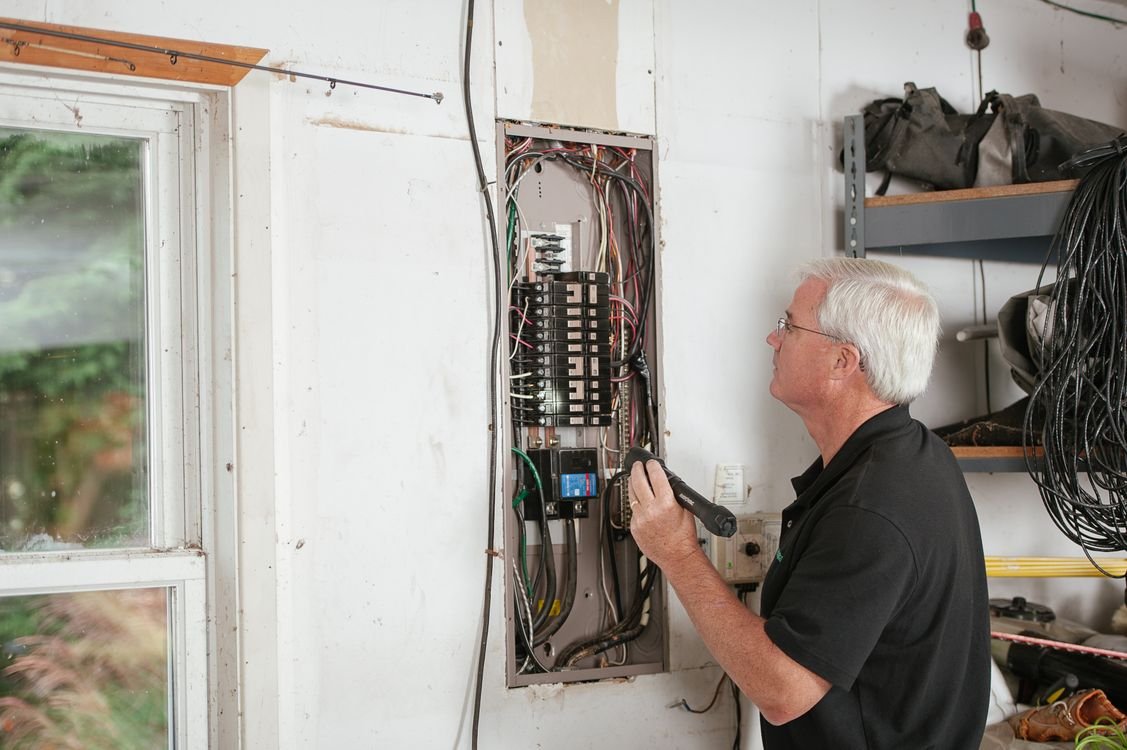
An electrical safety inspection is a thorough, top-to-bottom check of your home’s electrical system by a qualified electrician. Unlike a home inspection done during a real estate transaction, which only samples visible components, an electrical safety inspection opens panels, tests devices, and evaluates the condition of wiring, grounding, and protection devices throughout the house. The goal is simple: find anything unsafe, worn, overloaded, or out of code, and tell you exactly what to do about it.
What gets checked
A comprehensive inspection typically covers:
- The service panel. Breaker condition, proper labeling, signs of heat or corrosion, double-tapped breakers, correct breaker sizes for each circuit, and available capacity.
- Grounding and bonding. The grounding electrode system, bond connections, and grounding of the panel and major appliances.
- Wiring condition. Visible wiring in the attic, crawl space, garage, and panel for damage, improper splices, aluminum wiring concerns, and outdated materials like knob-and-tube.
- Outlets and switches. A representative sample tested for correct wiring, grounding, GFCI and AFCI protection where required, and signs of heat damage.
- GFCI and AFCI protection. Testing that these life-safety devices trip correctly with the TEST button and with a tester.
- Lighting and ceiling fans. Proper support, correct wattage, and safe connections, especially for heavy fixtures.
- Smoke and carbon monoxide alarms. Presence, placement, age, and working condition.
- Major appliances. Dedicated circuits, proper connections, and grounding for ranges, dryers, water heaters, and HVAC equipment.
- Outdoor electrical. Weatherproof covers, GFCI protection, and condition of exterior wiring and fixtures.
How often should you get one?
- Every 3 to 5 years for most homes, as a general preventive measure.
- When buying an older home, especially one built before the 1990s, or when the electrical history is unknown.
- After major storms, flooding, or lightning strikes that may have damaged the system.
- Before or after major renovations, to make sure new and old wiring work safely together.
- When adding large new loads like an EV charger, hot tub, or home addition.
- If you notice warning signs: frequent breaker trips, flickering lights, burning smells, warm outlets, or mild shocks.
How to prepare for your inspection
A little preparation makes the inspection faster and more thorough:
- Clear access to the electrical panel, water heater, HVAC equipment, and attic or crawl space entrances.
- Make a list of any electrical quirks you have noticed: outlets that do not work, switches that feel warm, lights that flicker, breakers that trip.
- Know the age of your home and of any major electrical work, if you can. Previous permits or contractor invoices are helpful.
- Plan to be home during the inspection so the electrician can ask questions and show you any concerns in person.
What an inspection typically costs
Inspection pricing depends on the size and age of your home and how detailed the inspection is. A basic safety inspection of an average single-family home is one of the most affordable electrical services there is, especially compared to the cost of repairing fire or water damage from an electrical failure. Many electricians credit part of the inspection fee toward repair work if you hire them to fix what they find. When comparing quotes, ask exactly what is included: a proper inspection opens the panel and tests devices, not just a quick walkthrough.
Safety note: what an inspection is not
An inspection finds problems; it does not fix them. If the electrician discovers a serious hazard, like a dangerously overheated panel or exposed live wiring, they will make it safe on the spot if possible and recommend the proper repair. Do not ignore the findings. An inspection report that sits in a drawer does nothing. Prioritize safety items first, then code compliance, then improvements. And never let anyone talk you into skipping permits for the repairs an inspection uncovers; the permit and inspection process exists to verify the fix is correct.
What happens after the inspection
You should receive a clear written report listing every finding, ranked by urgency: immediate safety hazards, recommended repairs, and suggested improvements. A good electrician will walk you through the report, explain each item in plain language, and provide pricing for the repairs so you can plan. There is no obligation to have the same company do the repair work, but using the electrician who already knows your system often makes sense.
Think of an electrical inspection like a physical for your home: a little preventive attention now avoids emergencies later. Learn more about keeping your home safe on our electrical safety page. To schedule a home electrical safety inspection in Kyle, TX, call KyleElec at (512) 555-0199 or email kyleelecc@gmail.com.
Leave a Reply