When the lights go out in Kyle, Texas, the first few minutes matter. Whether it is a summer thunderstorm rolling across Hays County, a grid strain during a heat wave, or a blown transformer on your street, knowing what to do during a power outage keeps your family safe and your home protected. This guide walks you through the exact steps to take, how to tell whether the problem is yours or the utility’s, and when it is time to call an electrician instead of waiting on hold with the power company.
Power outages are a fact of life in Central Texas. Between spring storm season, summer heat straining the grid, and the occasional winter freeze, Kyle homeowners see their share of dark evenings. The good news: most outages are brief and need nothing more than patience. But some signal a problem inside your own electrical system, and those will not fix themselves when the grid comes back.
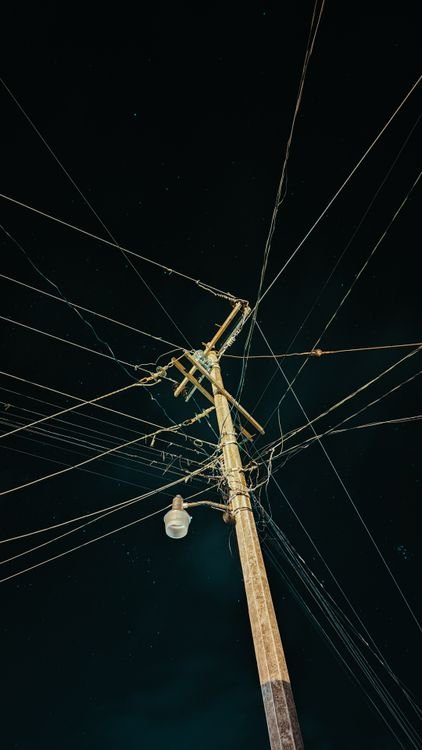
First: figure out how wide the outage is
Before you do anything else, look outside. Are your neighbors’ lights on? Are the streetlights working? This single check tells you who to call.
- The whole neighborhood is dark. This is almost certainly a utility outage. Report it to your electricity provider and settle in to wait. In Kyle, most homes are served by Pedernales Electric Cooperative or Austin Energy, depending on your exact address. Both have online outage maps and reporting lines.
- Only your home is dark. Check your main breaker panel. A tripped main breaker or a failed main connection means the problem is inside your system, and the utility cannot fix it for you. This is when you call an electrician.
- Only part of your home lost power. One or more individual breakers may have tripped, or a circuit may have failed. Try resetting the tripped breaker once. If it trips again immediately, stop and call an electrician.
What to do during the outage
While you wait for power to return, a few simple steps protect your home and your wallet:
- Keep the refrigerator and freezer closed. Food stays safe for about four hours in a closed fridge and up to 48 hours in a full freezer. Every peek inside lets cold air escape.
- Unplug sensitive electronics. TVs, computers, and gaming consoles are vulnerable to the voltage spike that sometimes comes when power is restored. Leave one lamp plugged in and switched on so you know the moment power returns.
- Use flashlights, not candles. Candles cause thousands of house fires every year, many during outages. Battery lanterns and flashlights are safer, especially with kids or pets around.
- Turn off major appliances. Switch off the stove, oven, and air conditioner at the thermostat. This prevents a sudden heavy load the instant power returns and avoids a dangerous surprise, like a burner left on.
- Check on medical devices. If anyone in your home depends on powered medical equipment, have a backup plan ready before storm season, such as a battery backup or a neighbor with a generator.
When to call the utility company
Call your utility provider when the outage clearly comes from their side of the meter: the whole street is dark, you see a downed power line, a transformer blew with a loud pop and flash, or a vehicle hit a utility pole. Report the outage once through their outage line or app, then avoid calling repeatedly. Crews work through a triage list, and repeat calls do not move you up the queue.
Safety note: never approach a downed power line. Always assume it is energized, even if it is not sparking. Keep people and pets at least 30 feet away and call 911 if a line is down across a road or driveway, then notify the utility.
When to call an electrician instead
Some outages are your home’s problem alone, and no utility crew will fix them. Call a local electrician right away if you notice any of these:
- Your neighbors have power but you do not, and your main breaker looks fine or will not reset.
- You smell burning plastic or see scorch marks around the panel, outlets, or meter.
- The power flickers, dims, or surges repeatedly instead of staying cleanly off.
- Only half your house has power, which can indicate a lost leg of your 240-volt service.
- Your meter box is damaged, sparking, or making buzzing sounds.
- The breaker trips again the moment you reset it.
These are signs of faults in your service drop, meter base, main panel, or branch circuits. They can damage appliances or start fires if ignored. A licensed electrician can diagnose the fault safely and coordinate with the utility if the problem sits at the connection point. Learn more about our power outage electrician services in Kyle, TX.
Generator safety during extended outages
If you run a portable generator, keep it outdoors at least 20 feet from the house, with the exhaust pointed away from windows and doors. Never run one in a garage, even with the door open. Carbon monoxide is odorless and kills quickly. Also, never plug a generator directly into a wall outlet, a practice called backfeeding. It can energize utility lines and electrocute lineworkers. A proper transfer switch installed by an electrician is the only safe way to connect a generator to your home’s wiring.
After the power comes back
When the lights return, give your system a minute to stabilize, then plug electronics back in gradually rather than all at once. Reset clocks, check the fridge thermometer, and throw out perishables that spent too long above 40 degrees. If breakers tripped during the outage, reset them one at a time. If anything smells hot, looks scorched, or behaves strangely after restoration, switch that circuit off and have it checked before using it again.
Kyle’s storm seasons will keep coming, but an outage does not have to turn into an emergency. Know how to read the situation, protect your home while you wait, and recognize the warning signs that mean the problem is inside your walls. If your power is out and the neighbors’ lights are on, or if anything about the outage looks or smells wrong, call KyleElec at (512) 555-0199 or email kyleelecc@gmail.com. We answer 24/7 for electrical emergencies across Kyle and the surrounding Hays County communities.
Leave a Reply