Common Electrical Repairs in the Home
Every home develops electrical quirks over time: an outlet that only works when you wiggle the plug, a switch that crackles, a breaker that trips every time the microwave runs. Most homeowners will face several of these common electrical repairs during the years they live in a house. Knowing what they are, what causes them, and which ones need a professional helps you keep your Kyle home safe and powered.
Dead or worn-out outlets
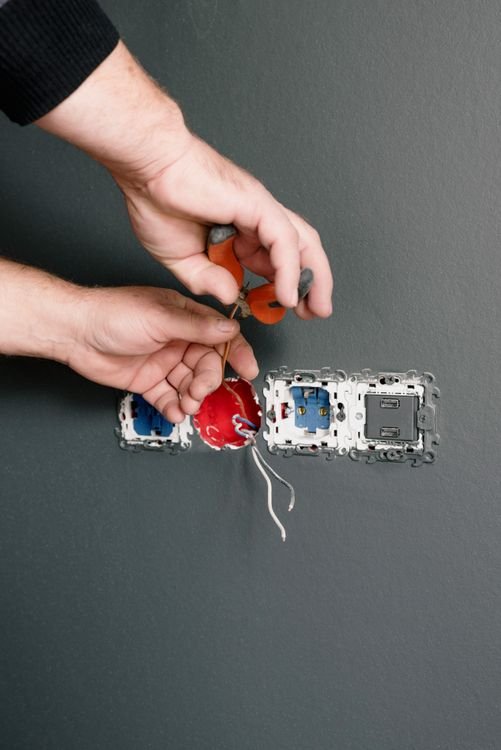
The most common home electrical repair is also one of the simplest. Outlets wear out from years of plugging and unplugging, and the internal contacts lose their grip. Loose backstab wire connections behind the outlet are another frequent culprit. A dead outlet is often a tripped GFCI or breaker, but a worn or sparking outlet should be replaced promptly, because arcing at a loose connection is a fire risk.
Faulty light switches
Switches that crackle, feel warm, work intermittently, or spark visibly are worn out inside. Like outlets, switches are inexpensive parts, but a failing switch can arc and overheat. Three-way switches that stop working from one location usually have a wiring or switch failure that an electrician can diagnose quickly.
Breakers that trip repeatedly
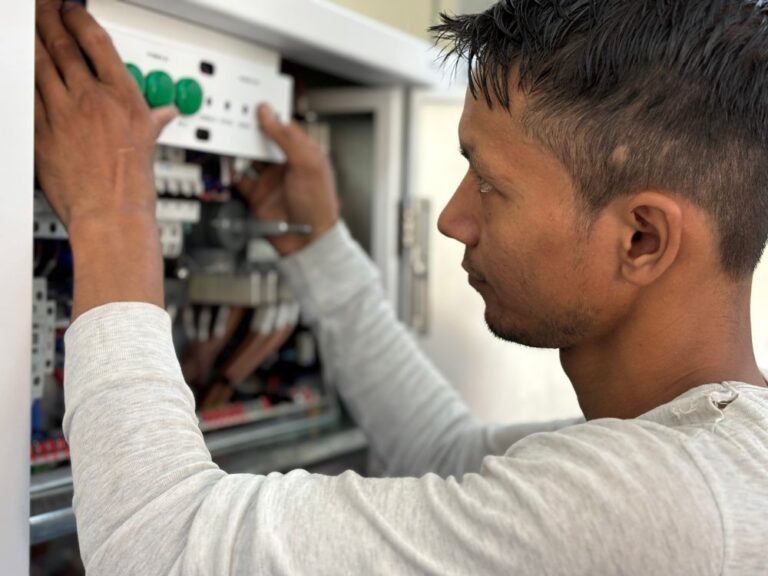
A breaker that trips now and then is doing its job. One that trips constantly points to an overloaded circuit, a short circuit, a ground fault, or a failing breaker. The fix depends on the cause: redistributing loads, repairing damaged wiring, or replacing the breaker. Repeatedly resetting a tripping breaker without finding the cause is never the answer.
Flickering or dimming lights
Occasional dimming when a large appliance starts is normal, but persistent flickering deserves attention. Causes range from loose bulbs and failing dimmer switches to loose neutral connections, which are a serious hazard. If flickering affects multiple rooms or the whole house, the problem may be at the panel or the service entrance, and it needs professional diagnosis.
Ceiling fan and light fixture problems
Wobbling ceiling fans, humming fixtures, and lights that burn out far too fast are common complaints. Causes include improper mounting, failing capacitors, incompatible dimmers with LED bulbs, and loose connections in the fixture box. Fixture work involves overhead wiring and proper support ratings, so it is worth having done right the first time.
Smoke detector chirps and failures
That 3 a.m. chirp is one of the most annoying sounds in a home, and it usually means a dying backup battery in a hardwired smoke detector. But detectors that chirp with fresh batteries, go off for no reason, or are more than ten years old need replacement. Because hardwired detectors interconnect so they all sound together, a single failing unit can trigger the whole house. Keeping detectors current is a small repair with life-safety importance.
GFCI outlets that will not reset
A GFCI that trips and will not reset may be protecting you from a genuine ground fault, or the GFCI device itself may have failed. GFCIs wear out over time, especially outdoors where moisture and temperature swings take a toll. Because these devices are critical shock protection in kitchens, bathrooms, garages, and outdoor areas, a GFCI that will not reset should be addressed promptly rather than ignored.
Safety note: know which repairs are DIY and which are not
Resetting a tripped breaker, pressing a GFCI reset button, changing a light bulb, and replacing a smoke detector battery are safe homeowner tasks. Anything involving opening outlet or switch boxes, working in the panel, or diagnosing wiring faults belongs to a licensed electrician. Stop and call a professional if you see burn marks, smell burning, feel heat, hear buzzing, or if a breaker will not stay on. Electricity gives no second chances with mistakes.
When small repairs point to bigger problems
Sometimes a pattern of small repairs signals a larger issue. Outlets failing throughout the house can mean aging wiring that needs attention. Breakers tripping in multiple rooms can mean an undersized panel or a loose service neutral. Lights dimming across the whole house can indicate a utility-side problem or a failing main breaker. An electrician can connect the dots between symptoms and find the root cause, which is almost always cheaper than fixing symptoms one by one.
Most home electrical repairs are quick jobs for a professional with the right tools and parts on the truck. See our electrical services in Kyle, TX. Call KyleElec at (512) 555-0199 or email kyleelecc@gmail.com and we will take care of your home’s electrical repairs safely and correctly.